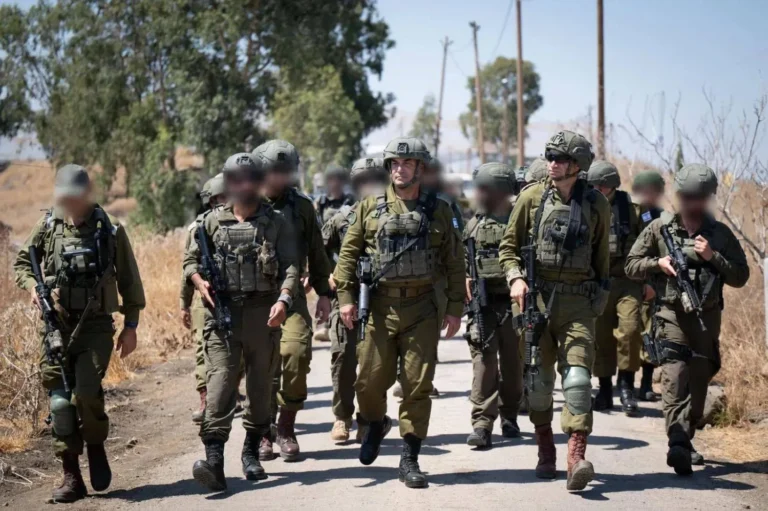
Jerusalem, Israel — The Israeli Public Broadcasting Corporation, citing security sources, reported that the Israeli military retains full operational capability to neutralize “direct threats” in the Gaza Strip, specifically targeting elite operatives and active attack planners. Consequently, defense officials emphasize maintaining operational flexibility to address imminent risks despite broader constraints on offensive missions. Furthermore, intelligence agencies continue tracking movements within the territory to evaluate immediate security exposures.
Engagement Restrictions and Command Authorization
The assessment coincides with reports indicating that Southern Command has tightened rules of engagement and restricted tactical decision-making authority. Additionally, broadcasting reports revealed that targeted strikes or assassination operations now mandate direct, explicit approval from IDF Chief of Staff Eyal Zamir. Consequently, the revised operational protocol reflects adherence to political directives tied to ceasefire consolidation and post-conflict security frameworks.
Surveillance Continuity and Post-War Frameworks
Security officials clarified that operational restrictions do not negate military intervention against actions deemed an immediate threat to Israeli territory. Additionally, strategic friction persists over long-term arrangements, particularly regarding demilitarization parameters and troop positioning.
Finally, the military establishment aims to balance political de-escalation imperatives with field-level deterrence capabilities. Ultimately, operational dynamics in Gaza remain contingent upon intelligence assessments and adherence to diplomatic understandings.