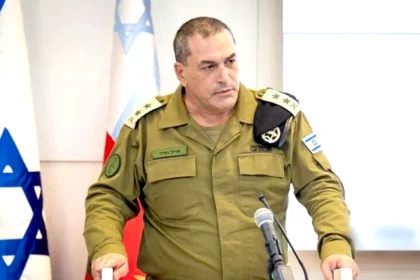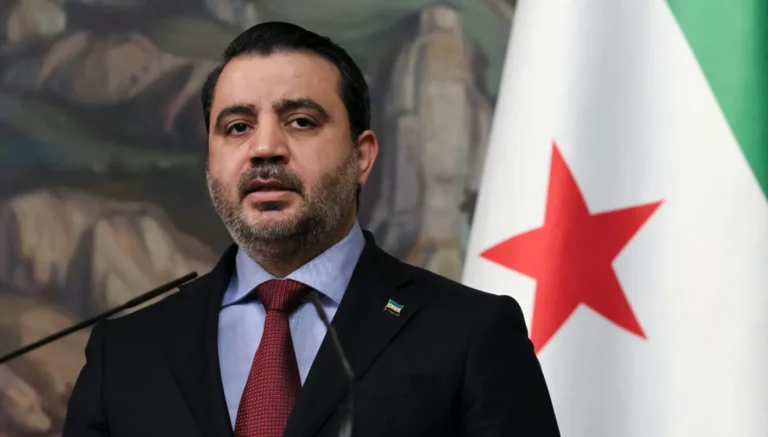
Damascus, Syria — In one of the highest-level direct security contacts between Israel and the new Syrian administration, Mossad Director Roman Gofman held a phone call with Syrian Foreign Minister Asaad al-Shaibani on August 14. Consequently, the discussion centered on Turkey’s military footprint in northern Syria just days before Israeli airstrikes targeted the Abu al-Duhur military airbase. Furthermore, the conversation highlights active backchannel communication channels operating between Tel Aviv and Damascus to manage strategic tensions.
Discussions on Turkish Military Deployment and Regional Tensions
According to reporting published by The Times of Israel, the discussions addressed intelligence concerns regarding potential Turkish troop deployments at the strategic airbase in Idlib province. Additionally, Israeli officials viewed any Turkish military expansion near the border area as a disruption to existing security understandings. Consequently, the subsequent airstrikes served as an operational measure to forestall new military stationing.
Coverage from WION highlighted Israeli official warnings against Turkish military entrenchment in Syria. Conversely, Ankara rejected the accusations, asserting that Israeli claims were manufactured to justify unauthorized strikes against Syrian territory.
Diplomatic De-confliction and U.S. Coordination Efforts
The military action prompted concern from international observers and U.S. envoys working to prevent regional escalation. Furthermore, Washington continues pushing for formal de-confliction mechanisms among Israeli, Turkish, and Syrian forces to mitigate the risk of accidental clashes.
Finally, the dialogue between Gofman and al-Shaibani underscores the complex security matrix governing post-transition Syria. Ultimately, direct intelligence channels remain crucial for navigating strategic friction and maintaining regional stability.