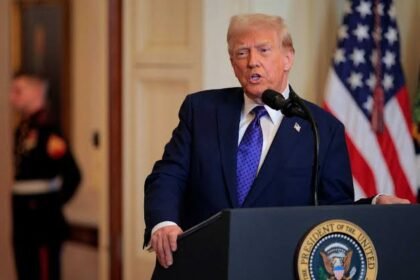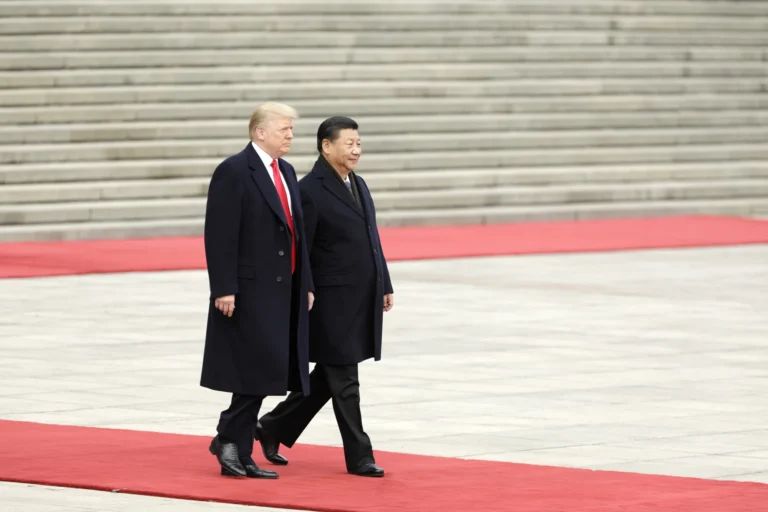
Washington, DC – The world’s attention is focused on the upcoming meeting between US President Donald Trump and his Chinese counterpart Xi Jinping, a summit described as one of the most sensitive junctures in relations between the world’s two largest economies and military powers. This comes amid escalating trade, technology, and military tensions between the two countries in recent months.
The meeting takes place as the US administration faces a complex web of challenges related to the trade war, artificial intelligence, and China’s growing influence in Asia and Africa. In addition, there are ongoing tensions over Taiwan and the South China Sea. These issues could make the summit a complex political test for the US president.
Observers believe Trump is entering the meeting seeking a delicate balance between his escalating political stance toward China and the need to maintain the stability of the US economy. This is particularly crucial given the pressures facing global markets and supply chains, and the growing fears of a wider economic confrontation between the two countries.
Among the most prominent issues on the table is the matter of reciprocal tariffs. Trade disputes remain a major flashpoint between Washington and Beijing after years of economic sanctions. These disputes also include restrictions imposed on Chinese companies operating in the technology and telecommunications sectors.
Artificial intelligence also stands out as one of the most dangerous points of contention between the two sides, given the accelerating race for dominance in advanced technology. This is especially true after the escalation of US restrictions on the export of semiconductors and sensitive technologies to China, which Beijing views as an attempt to slow its technological growth.
On the military front, Taiwan represents one of the most complex issues, as Washington continues to support the island politically and militarily, while China considers it an integral part of its territory. This increases the potential for friction between the two powers in the Asia-Pacific region.
US reports indicate that Trump is also seeking agreements related to combating fentanyl smuggling and reducing economic tensions. Furthermore, he aims to open broader communication channels between the US and Chinese militaries to avoid any unintended clashes in sensitive maritime areas.
In contrast, China enters the summit seeking to break free from Western economic pressure, maintain its growth rates, and expand its international influence, while emphasizing its rejection of what it describes as the US policy of containment.
Experts believe that the summit’s success will not be measured solely by the number of agreements announced, but rather by the ability of both sides to prevent the relationship from deteriorating further. This is particularly important as the world closely monitors any shift in the relationship between Washington and Beijing, given its direct impact on the global economy, energy prices, and international trade.
The upcoming summit between Trump and Xi Jinping remains a new political and strategic test. This test may well shape the next phase of international relations, amidst a world experiencing unprecedented polarization and competition for influence, technology, and economic power.