Canberra, Australia – In a coordinated diplomatic move with its international allies, the Australian government announced on Tuesday a new round of tough sanctions targeting seven senior Iranian officials and four sovereign entities.
These measures are in response to what Australian Foreign Minister Penny Wong described as the Iranian regime’s “brutal” and ongoing repression of its own people. They also stem from its involvement in the unlawful detention of foreign nationals.
Targeting the heads of repression
Minister Penny Wong appeared at a press conference to announce the decision, confirming that the sanctions include asset freezes and travel bans.
Among the most prominent names on the list is Iranian Interior Minister Eskandar Momeni. He also serves as deputy commander of the law enforcement forces, which are directly responsible for the deaths of hundreds of protesters during the bloody demonstrations that erupted earlier this year.
The sanctions also targeted a high-ranking official, Rouhollah Nasab, for his pivotal role in deploying an 80,000-strong force to enforce the mandatory hijab. He was also involved in monitoring the clothing of women and girls in schools, universities, public spaces, and even the digital sphere.
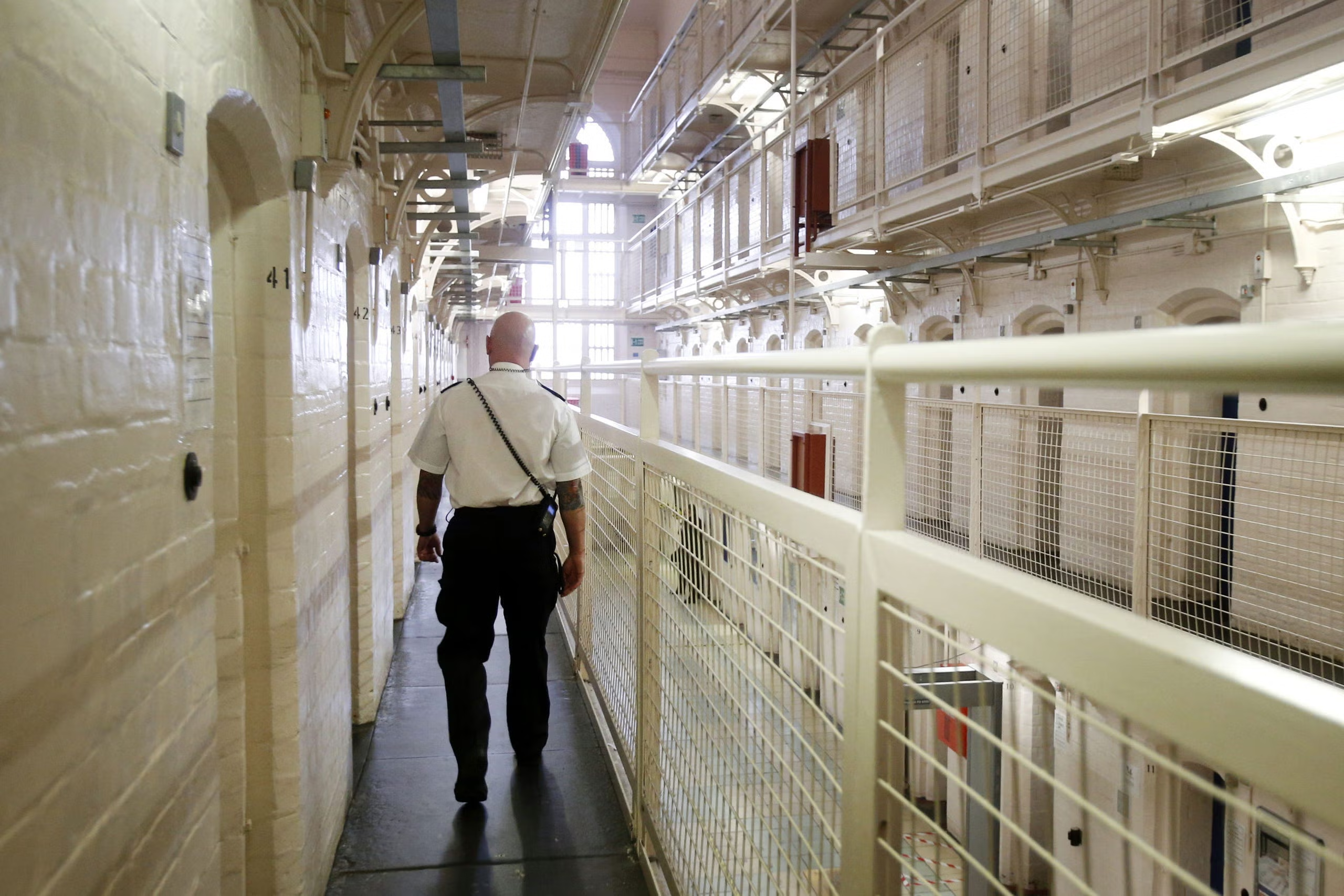
This move comes as independent estimates indicate that Iranian forces killed more than 30,000 people during the January protests. Furthermore, human rights reports warn of a potential second massacre within Iranian prisons.
The “shadow banking system” was hit
In addition to human rights concerns, Australia has expanded its sanctions to include Iran’s “shadow banking system.” This complex financial network allows Tehran to circumvent international oversight to fund its proxies in the region, most notably Hamas. Furthermore, it provides financial support for Iran’s ballistic missile program.
Wong explained that this announcement, which coincides with a similar move by the United Kingdom, brings the total number of Australian sanctions against Iran to over 230.
She said: “Australia continues to stand with the courageous people of Iran against a brutal and repressive regime, and we will work with our partners to hold Tehran accountable for its nefarious campaign of regional destabilization.”
tense regional context
Although these sanctions target Iran’s domestic and regional behavior, official sources have confirmed they are not a direct response to the tit-for-tat strikes in the ongoing US-led conflict.
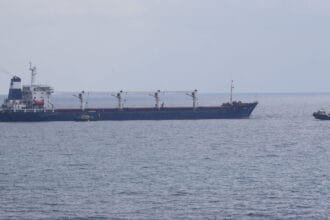
Nevertheless, this pressure comes at a time when the Strait of Hormuz is facing a de facto closure as a result of military operations launched by the United States and Israel. This has led to a dramatic surge in global fuel prices and has put the fragile truce between Washington and Tehran on life support.