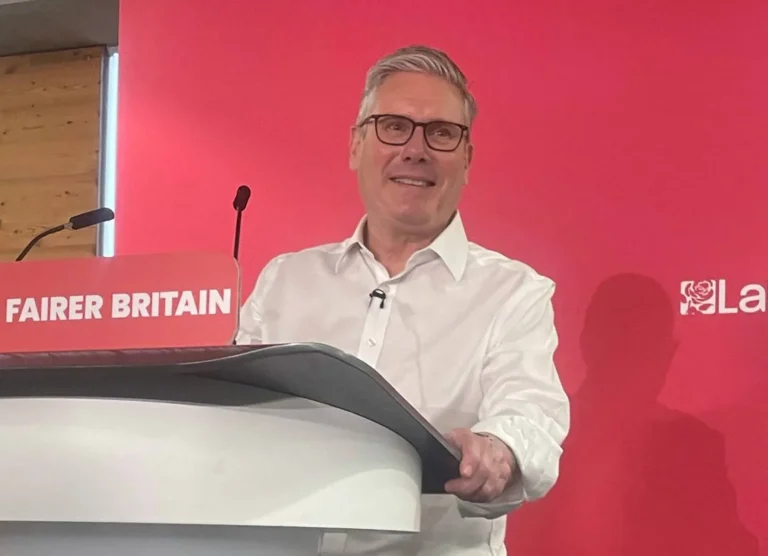
London, England – The British government has entered a new phase of political turmoil after Prime Minister Keir Starmer insisted on remaining in office. He rejected growing calls from political and public circles for his resignation, at a time when his government witnessed its first ministerial resignation since he took office. This has opened the door to a wave of speculation about the government’s future.
In a press statement, Starmer confirmed that he would not step down as Prime Minister. He emphasized that his government was formed to implement a long-term reform program. He explained that political pressure would not force him to back down or abandon his responsibilities. With this message, he attempted to contain the escalating debate within the Labour Party and among the British public.
His remarks coincided with the resignation of one of his cabinet ministers, a move observers considered the first real test of the new government’s cohesion, especially given the mounting criticism regarding the economy, taxes, immigration, and public services.
Starmer’s government is facing increasing pressure from the opposition and some voices within his own party. There are also accusations of its inability to deliver on promises of quick improvements to living standards, as the cost of living continues to rise and the British economy sluggish. This situation has negatively impacted public satisfaction with the government.
Analysts believe that Starmer’s determination to remain in office reflects his desire to prevent any appearance of political instability within Britain. This is particularly important given the international economic challenges and geopolitical tensions casting a shadow over Europe. Analysts emphasize that any divisions within the government could give the opposition a greater opportunity to attack the Labour Party in the coming period.
The ministerial resignation has become a major focus in the British media. The media has considered it an early test for the government, one that may determine its ability to maintain the same momentum with which it began. Meanwhile, the British public is waiting to see whether the crisis will remain contained or escalate into a wider wave of divisions and resignations within the government.