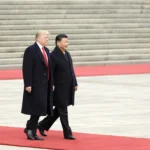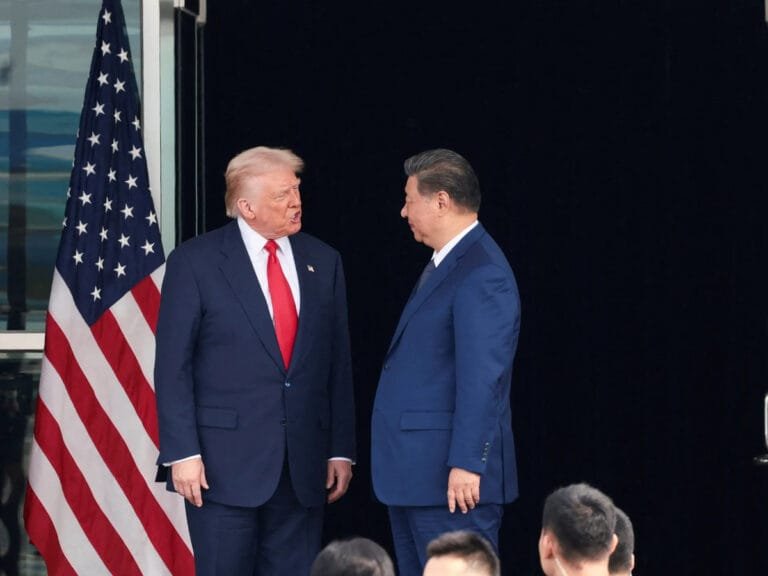
Washington, DC – US media reports indicate that President Donald Trump intends to use his upcoming meeting with Chinese President Xi Jinping to pressure Beijing to play a more active role in containing the escalating tensions with Iran. This comes amid growing international concerns about the widening scope of tensions in the Middle East.
According to the Wall Street Journal, the US administration believes that China possesses significant economic and political leverage over Tehran. This leverage could be used to push China toward de-escalation and a more disciplined approach to regional and international issues.
US estimates indicate that Beijing is one of Iran’s most prominent economic partners, particularly in the energy and trade sectors. This gives China significant influence over Iranian decisions, especially given the Western sanctions imposed on Tehran and its increasing reliance on Asian markets.
Observers believe that Trump is seeking to leverage the deep economic relationship between China and Iran as a new political tool. This comes as an attempt to alleviate the security and military pressures Washington faces in the region, particularly with the ongoing tensions related to the Iranian nuclear program and the exchange of attacks in the region.
At the same time, the US administration is trying to avoid sliding into an open military confrontation that could affect global energy markets and increase domestic economic pressures. This is why Washington is seeking indirect diplomatic channels through influential international powers such as China.
The newspaper predicted that Trump would raise several issues related to Iran during the summit, including maritime security in the Gulf and ensuring the stability of oil markets. Also expected to be discussed is preventing the escalation of the conflict in the Middle East, along with the need to limit any steps that could lead to a new military escalation.
In contrast, China appears keen to maintain a delicate balance in its relations with both Washington and Tehran. It seeks to protect its vast economic interests in the region without engaging in direct political confrontation with the United States.
Analysts believe that Beijing might partially concede to some American demands if this is linked to ensuring stable energy supplies and protecting international trade routes. However, it will not want to appear as the party exerting public pressure on Iran in response to American wishes.
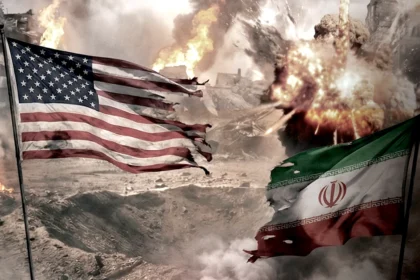
This American move comes at a time of escalating tensions in the Middle East, amid international concerns about the impact of any further escalation on the global economy, oil prices, and international shipping. This makes China’s role an increasingly important element in international political and diplomatic calculations.