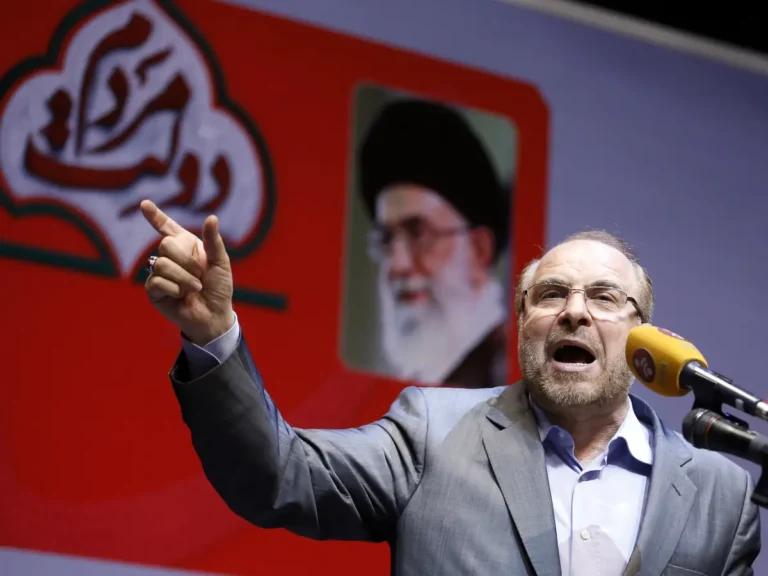
Tehran, Iran – In a dramatic development reflecting the complex security and political landscape surrounding the Iranian-American negotiations, Abbas Babizadeh, a member of the Iranian parliament’s presiding board, made a startling revelation. He disclosed that the Speaker of Parliament, Mohammad Bagher Ghalibaf, had been the target of several “direct and deliberate” assassination attempts while leading his country’s negotiating team.
Direct missile targeting
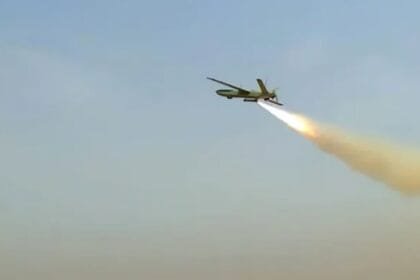
In a press statement, Zadeh explained that Qalibaf, who serves as the head of the negotiating team, was the target of assassination attempts at the locations he frequented. He also indicated that those behind these operations—in a clear reference to the United States—used missile strikes to target specific locations where Qalibaf was present. He asserted that these locations are now “known and documented.”
Motives for the assassination: The hawks of negotiation
According to Zadeh, the insistence on eliminating Qalibaf stems from the other side’s conviction that his continued presence at the head of the negotiating table hinders the realization of American ambitions. Zadeh stated, “The reason behind the failed assassination attempts is their realization that Qalibaf will not grant the Americans the concessions they seek, unlike previous negotiating processes that witnessed greater flexibility.” He added that the adversaries attempted to replicate scenarios of marginalizing or eliminating previous political figures like Larijani and others. Their aim was to ensure the passage of their agendas. However, these attempts failed twice consecutively.
Context of the negotiations in Islamabad
These serious statements come at a sensitive time, as Qalibaf recently led a high-level delegation, including Foreign Minister Abbas Araqchi, to meetings with the American delegation in the Pakistani capital, Islamabad. This news also raises questions about the security of diplomatic delegations in the capitals hosting the negotiations.
These leaks could widen the gap between Tehran and Washington, threatening to derail the current diplomatic process. The conflict appears to be no longer confined to closed-door meetings but has escalated into open confrontation, leaving the region with unpredictable scenarios regarding the fate of the faltering Iranian-American understandings.