Tehran, Iran – Iran’s Tasnim news agency reported on Saturday that Tehran has not yet given its final approval to hold the next round of negotiations with the United States. This comes amid escalating tensions following US President Donald Trump’s announcement of what he called a “naval blockade” of Iran.
“Futile” negotiations and excessive demands
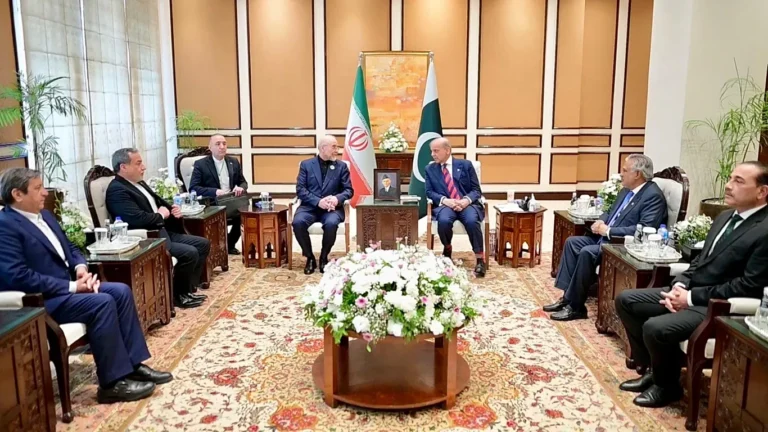
The agency quoted informed sources as saying that the Iranian side “is not about to waste time on lengthy and fruitless negotiations.” It also indicated that the shift away from a more conciliatory atmosphere stems primarily from what Tehran considers “excessive American demands” that were met with resistance during the ongoing talks. These statements cast doubt on the possibility of holding the previously scheduled meeting in the Pakistani capital, Islamabad. The meeting is set to take place next Monday.
A fragile truce, blown away by the wind
Washington and Tehran announced a two-week ceasefire in the early hours of April 8, brokered by Pakistan. The aim of this ceasefire was to pave the way for broader negotiations seeking to end the military conflict. This conflict erupted on February 28, following attacks by the United States and Israel on Iranian territory. However, the re-closure of the Strait of Hormuz under Iranian military control came in response to US naval movements. This has eroded trust between the two sides. Tehran believes that the continued military pressure and naval blockade contradict the spirit of the declared ceasefire. Therefore, sitting down at the negotiating table in Islamabad is uncertain.
International anticipation of Pakistan’s reaction
As Pakistan prepared to host the delegations on Monday, the international community awaited the outcome. It was unclear whether Islamabad’s mediation efforts would succeed in persuading Tehran to reconsider its recent stance, or whether the region was headed toward a resumption of full-scale military operations once the agreed-upon ceasefire expired.
Observers believe that the intransigence of both sides on the issues of maritime security and nuclear demands could prevent a final settlement. This, in turn, poses a real threat to the stability of the Middle East and global energy supplies.