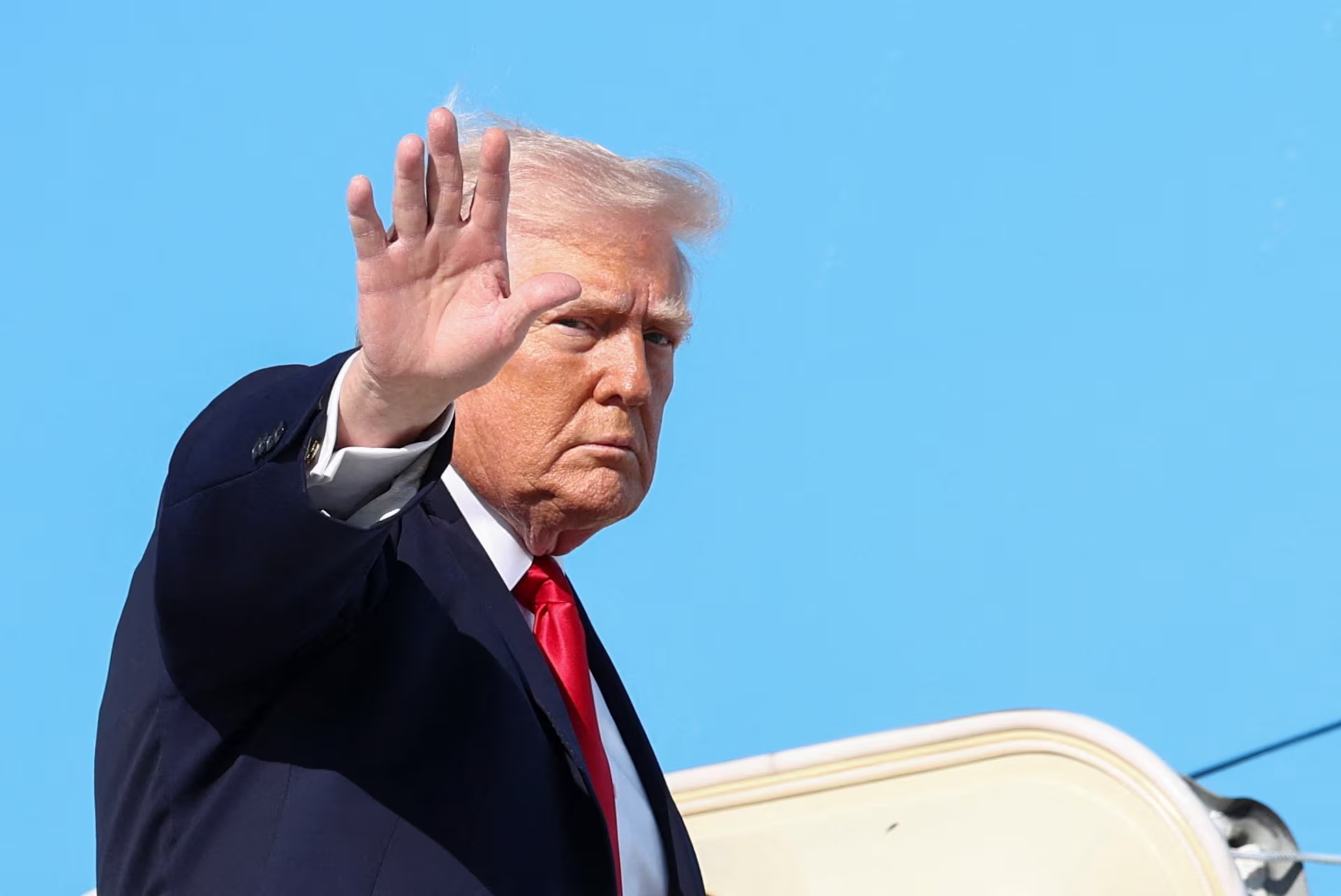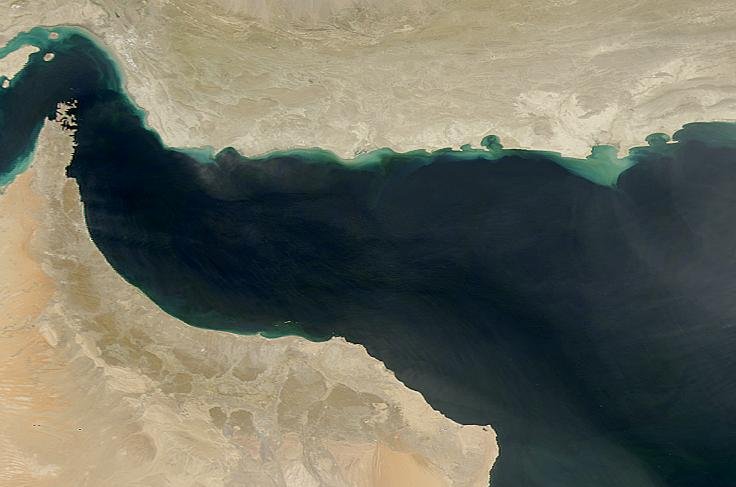
Washington, USA – President Donald Trump has announced that US naval forces seized an Iranian vessel in the Gulf of Oman after it attempted to breach what he described as a “naval blockade” imposed in the region. This move reflects a dangerous field escalation in the tensions between Washington and Tehran, placing international maritime security in one of the world’s most sensitive waterways on a knife-edge. Accordingly, the interception of an Iranian ship in the Gulf of Oman marks a transition of the conflict from political threats to direct friction, significantly increasing the likelihood of sliding into a large-scale military confrontation.
Suspicious Missions and Strict Rules of Engagement in International Waters
The US President clarified that the Iranian ship was about to carry out a “suspicious mission,” asserting that naval forces handled the situation firmly and in accordance with established rules of engagement, seizing the vessel without any reported casualties. Obviously, Washington seeks through this operation to send a firm message regarding its commitment to tightening maritime restrictions and preventing any attempts to break the pressure on Tehran. As a result, there is growing concern that these frictions could become the spark for a broader confrontation exceeding the limits of tactical operations.
Threats to Maritime Safety and Crisis Repercussions on Energy Markets
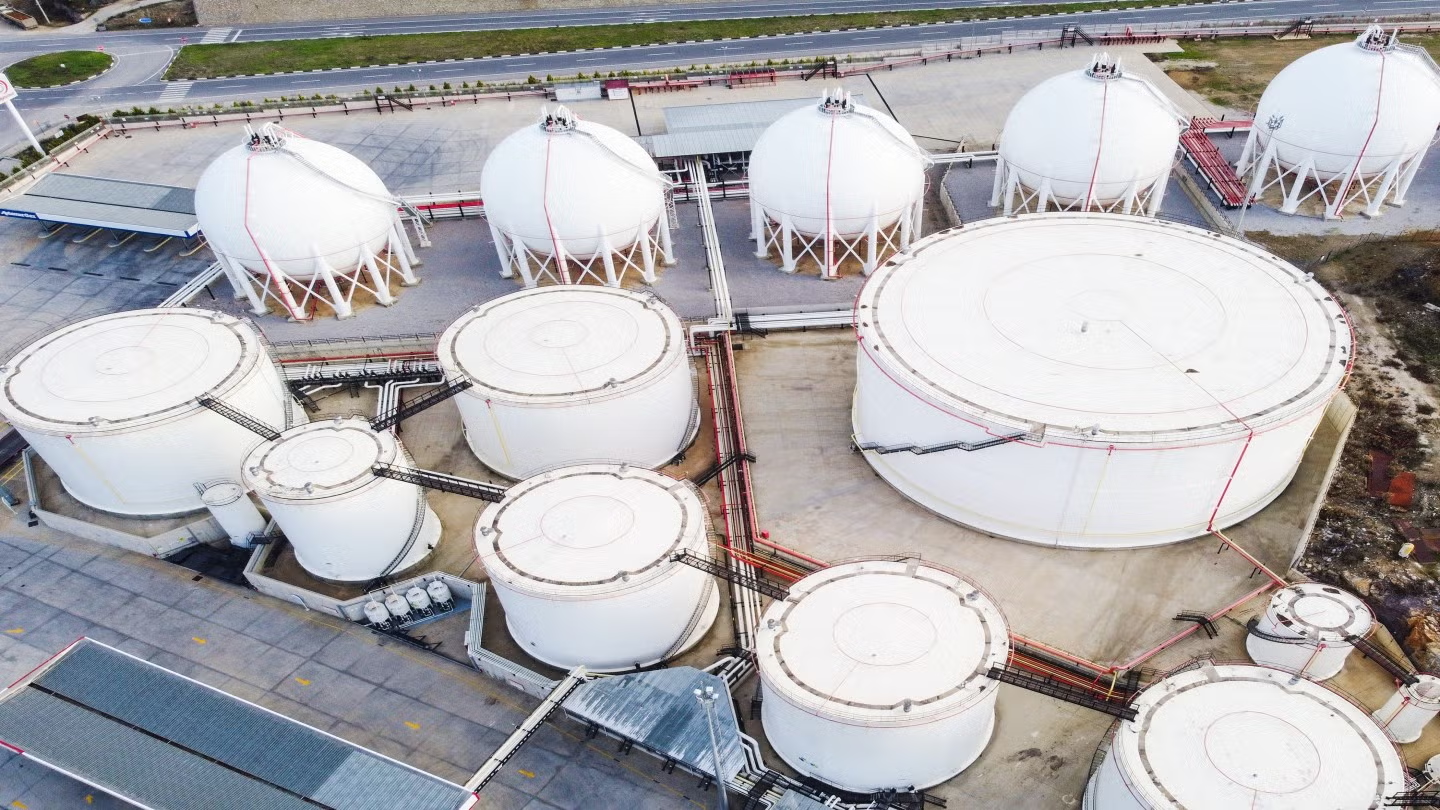
Military and economic experts have warned that the continuation of these direct naval confrontations threatens international maritime safety and places global energy security at real risk. Certainly, any disruption in the Gulf and Oman Sea corridors will lead to uncalculated spikes in oil and gas prices, given the heavy global reliance on this region. Accordingly, the interception of an Iranian ship in the Gulf of Oman remains a pivotal turning point in the crisis, with international eyes fixed on the Iranian reaction and whether Tehran will opt for de-escalation or choose field escalation in response to this American move.