Washington, USA – A former advisor to President Joe Biden has warned that any serious Iranian move toward closing the Strait of Hormuz would grant Tehran unprecedented strategic leverage, capable of reshaping the balance of power in the region and directly threatening the global economy. These warnings come as relations between Iran and the West face escalating tensions, placing the security of vital waterways under intense international scrutiny. Accordingly, the Iranian threat to the Strait of Hormuz represents an economic “chokehold” that could lead to geopolitical repercussions extending far beyond the Middle East to strike the core of global industry and trade
One-Third of Global Oil Supplies at the Mercy of Regional Tensions
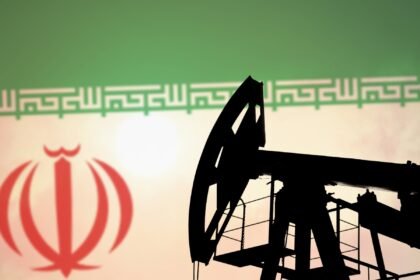
The former US official emphasized that the Strait of Hormuz is not merely a waterway; it is the most sensitive focal point in the international energy equation, with nearly one-third of seaborne oil supplies passing through it. Obviously, Iran recognizes the strategic value of this passage and uses the threat of closure as a tool for political maneuvering to impose its terms at the negotiating table in the face of Western sanctions. As a result, any disruption in this vital artery would trigger an “economic earthquake,” driving fuel prices to record highs and intensifying global inflation.
Military Escalation Scenarios and Protecting Freedom of International Navigation
The former advisor pointed out that an attempt to close the strait will not pass without a sharp international reaction, suggesting that major powers might resort to direct military intervention to ensure the flow of trade. Certainly, this scenario would open the door to a large-scale confrontation that could spiral out of control, especially given the mutual military posturing in the region. Accordingly, the Iranian threat to the Strait of Hormuz remains the primary driver of international anxiety, as various parties test the limits of deterrence in one of the world’s most volatile and explosive regions.