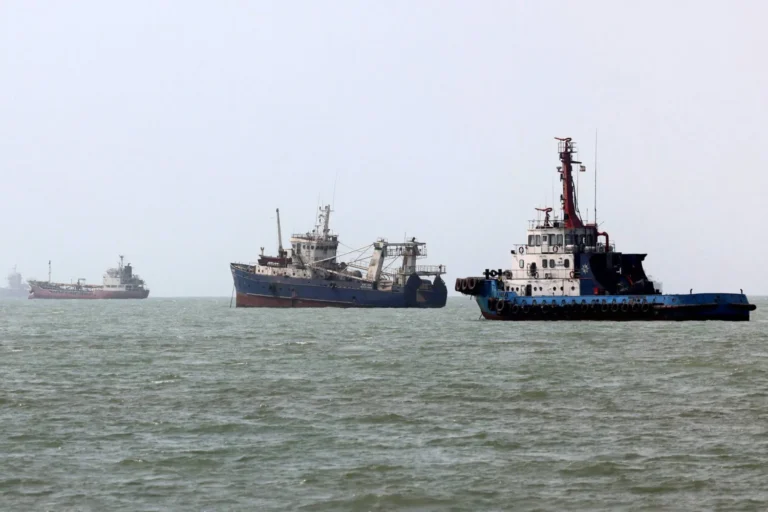
London, United Kingdom – Iranian authorities added 11 new vessels to a growing list of ships barred from transiting the Strait of Hormuz due to alleged non-compliance with navigation rules, bringing the total number of blacklisted ships to 56, state media reported.
The updated blacklist incorporates crude oil tankers, liquefied natural gas (LNG), and liquefied petroleum gas (LPG) carriers, imposing tighter operational constraints across one of the world’s most vital energy chokepoints.
Punitive Measures and Warnings to Assisting Ships
This latest move follows Tehran’s August 24 designation of 45 oil tankers, with Iranian officials issuing strict warnings that non-compliant vessels attempting to pass through the strait face immediate penalties, including heavy fines, detention, or outright impoundment.
Furthermore, Tehran warned that third-party ships assisting blacklisted vessels—particularly through ship-to-ship (STS) cargo transfers—will also face enforcement actions aimed at closing avenues for circumventing the restrictions.
Supply Chain Disruptions and Growing Market Anxieties
Ultimately, the expansion of Iran’s maritime blacklist comes amidst persistent military friction and operational uncertainty across Gulf waterways. Energy traders and international shipping firms have increasingly begun avoiding the blacklisted vessels, adding further pressure to global maritime trade and heightening concerns over global energy supply lines.