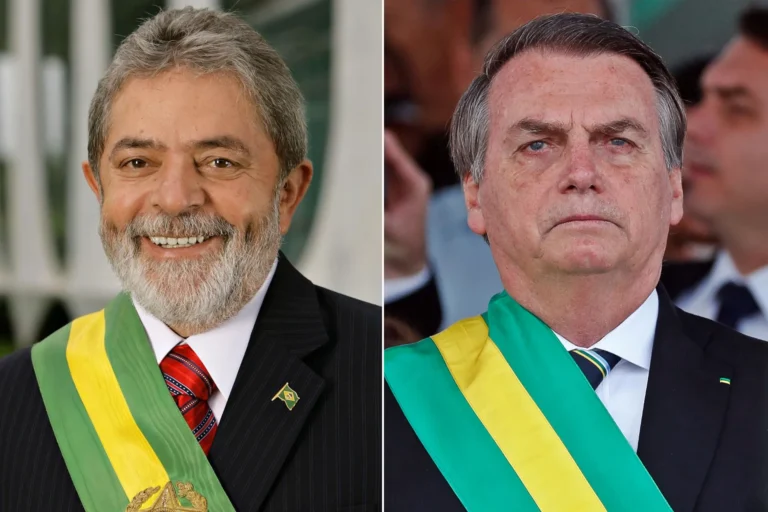
Brasilia, Brazil – Brazil has entered a new phase of preparations for the presidential elections, with the launch of campaigns by President Luiz Inácio Lula da Silva and his rival, Flávio Bolsonaro, son of former President Jair Bolsonaro, amidst fierce political competition between the left and conservative camps. Lula is running to continue his political project and maintain his position at the helm of Latin America’s largest economy. He is also relying on his record on social and economic issues, along with his long experience in Brazilian political life.
In contrast, Flávio Bolsonaro is seeking to revive the Bolsonaro family’s political presence and present himself as the main alternative to Lula and the left, capitalizing on a conservative electoral base that still wields considerable influence within Brazilian society. The election is taking place against a backdrop of clear political polarization. Lula’s camp advocates for expanding social welfare programs and strengthening the state’s role in the economy, while Bolsonaro’s camp focuses on security and economic issues and pushes for more conservative policies.
Economic issues feature prominently in the election campaigns, particularly those related to prices, income, job opportunities, and improving living standards. Each party seeks to convince voters of its ability to address domestic challenges. Foreign policy also features heavily in the race, especially Brazil’s relations with the United States and China. Furthermore, the country’s role within the BRICS group is significant, as are issues related to international trade, investment, and Brazil’s place in the global system.
The coming period is expected to witness an escalation in election campaigns, with intensified public rallies, debates, and political maneuvering aimed at winning over undecided voters. The campaigns also aim to mobilize voters before the election. The elections hold significance beyond Brazil’s borders, given the country’s economic and political weight in Latin America and the potential impact their outcome could have on regional politics and relations with major international powers.