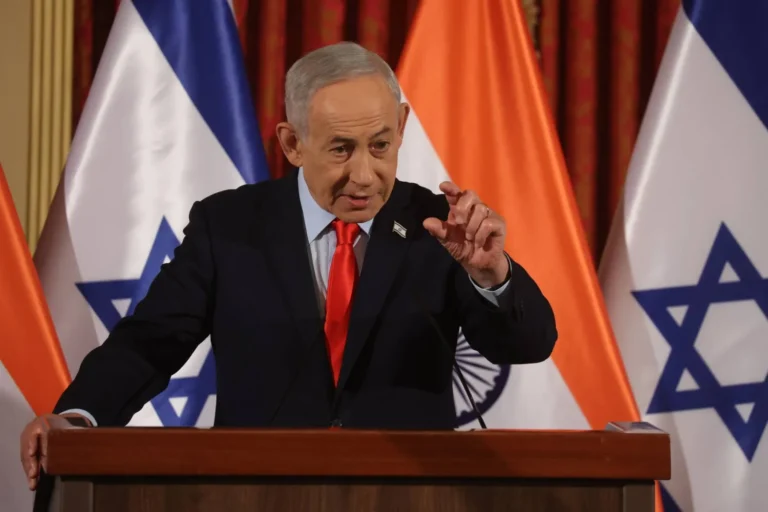
New York, USA – Talk of the possible arrest of Israeli Prime Minister Benjamin Netanyahu during a potential visit to New York City has sparked widespread controversy. This followed statements by Mayor Zahran Mamdani. This comes before the legal aspects defining the local authorities’ powers in such cases have been clarified.
Mamdani explained that a legal review conducted by relevant authorities showed that the New York City government does not have the legal authority to execute any international arrest warrant against foreign officials. He emphasized that such powers fall under the jurisdiction of the federal government. Furthermore, these matters are handled by relevant US law enforcement agencies.
This is because the United States is not a member of the International Criminal Court. Furthermore, the execution of arrest warrants issued by the ICC falls under federal law and sovereign decisions of the U.S. government. These are not under the jurisdiction of individual cities or states.
Despite acknowledging his lack of legal authority, the mayor of New York City reaffirmed his commitment to upholding international law and holding those responsible for violations accountable. He also noted that the matter transcends local government jurisdiction. Additionally, it is subject to legal and political considerations at the national level.
International law experts believe the case reveals the complexities of the relationship between the United States and the International Criminal Court (ICC). Any procedures related to the execution of international arrest warrants remain contingent on decisions by federal authorities. Therefore, their enforcement within US territory is a highly complex legal matter.
This controversy comes at a time of increasing international pressure regarding the war in the Gaza Strip. Simultaneously, the debate continues concerning the ICC’s jurisdiction and the mechanisms for enforcing its decisions in non-member states.