Tehran, Iran – Iranian media announced the establishment of a direct communication line between the United States and Iran in the Strait of Hormuz region. This move comes amid heightened security tensions in the waterway over the past few days.
A mechanism for field communication
According to Iranian media reports, the hotline aims to facilitate direct communication
between the two sides in the Strait of Hormuz region.
This would enable a swift response to any developments on the ground
that could affect maritime security or lead to miscalculations among forces deployed in the area.
The Iranian reports did not provide further details regarding the nature of the hotline,
the level of representation between the two sides, or its operational mechanism.
There has been no official comment from the US side confirming or denying this information.
Rapid security developments
The announcement comes after a series of security incidents in the Gulf of Oman and the Strait of Hormuz.
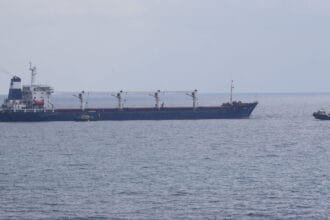
The latest of these was an attack on a cargo ship, with the United States accusing Iran of being responsible.
This has heightened concerns about maritime security in one of the world’s most important shipping lanes.
The International Maritime Organization (IMO) had previously announced the temporary
suspension of its plan to evacuate ships and mariners from the Strait of Hormuz.
The plan will remain suspended until the circumstances
surrounding the attack on the cargo ship are clarified.
The importance of the Strait of Hormuz
The Strait of Hormuz is one of the world’s most strategically important oil and gas shipping lanes,
through which a significant portion of global energy exports pass.
Therefore, any security development in the region is closely monitored internationally.
Observers believe that establishing a direct communication channel, if officially confirmed,
could help reduce the likelihood of unintended escalation.
Furthermore, it would strengthen coordination mechanisms to prevent maritime incidents,
as international efforts continue to maintain freedom of navigation and the stability of global trade.