
Washington, D.C. – The Gulf region is witnessing rapid political, security, and economic developments. This comes amid diplomatic and military activity related to the Strait of Hormuz, one of the world’s most strategic energy trade routes.
American political declaration
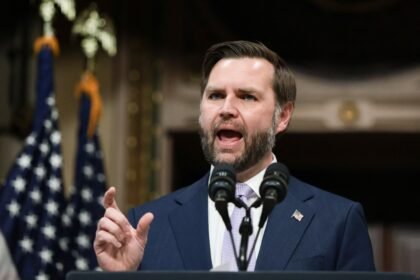
Reports indicate that US Vice President J.D. Vance announced what was described as the “conclusion” of a political or negotiating phase related to the regional issue, without disclosing further details about the nature of the agreement or the parties involved. Consequently, this has raised questions about its impact on the trajectory of tensions in the region.
Iranian-Omani moves regarding the Strait of Hormuz
In a related development, Iranian Parliament Speaker Mohammad Bagher Ghalibaf traveled to Oman to discuss arrangements concerning security and shipping lanes in the Strait of Hormuz. This move reflects ongoing diplomatic efforts to manage tensions in this vital waterway, through which a significant portion of global oil exports pass.
The file of US sanctions on Iran
Diplomatic sources indicated that the United States has decided to lift or suspend some sanctions imposed on Iran for 60 days. This comes as part of temporary arrangements believed to be aimed at easing tensions and ensuring the stability of energy flows in global markets. Meanwhile, the short-term implications of this move are being closely watched.
Developments in oil shipping
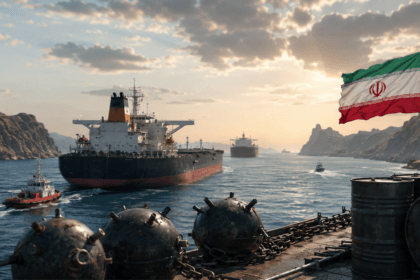
Meanwhile, an increase in oil tanker traffic through the Strait of Hormuz has been observed in recent days. This reflects a realignment in energy markets. Conversely, shipping and marine insurance companies are closely monitoring the potential for any escalation that could affect freedom of navigation.