Brussels, Belgium – The European Union announced a new package of sanctions against Russia, the 21st since the start of the war in Ukraine.
The package includes extensive measures targeting the oil sector, the banking sector, and financial supply chains.
These measures are part of ongoing efforts to pressure Moscow to end the war.
Freezing the ceiling on Russian oil prices
European Commission President Ursula von der Leyen announced that the new package
includes freezing the mechanism for adjusting the price ceiling on Russian oil until next January.
This move aims to maintain pressure on Russia’s oil revenues while taking into account the volatility of global markets.
She explained that the EU decision aims to bring greater stability to oil markets.
At the same time, the decision does not include easing restrictions on Russian energy exports.
Targeting banks and the oil fleet
The proposed European Union package includes a ban on dealings with 31 Russian banks and 20 financial institutions in third countries.
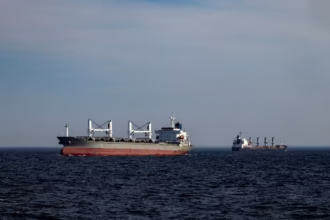
Furthermore, it includes adding 30 more oil tankers to Russia’s so-called “shadow fleet,”
which Moscow uses to circumvent Western sanctions.
The measures also include a ban on the sale of liquefied natural gas (LNG) tankers to Russia,
as part of a broader effort to restrict its energy capabilities.
The package also stipulates stricter restrictions on the export of dual-use technologies to Russia.
In addition, it imposes unprecedented restrictions on the Russian fishing sector, including a complete ban on cod exports.
The measures also propose barring entry to EU countries for Russian citizens who have served in the armed forces since the start of the war.
Targeting companies in third countries
EU foreign policy chief Kaja Kallas indicated that the package also includes monitoring
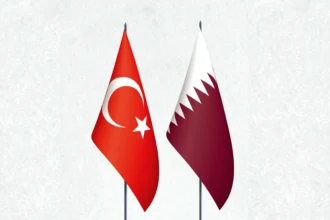
measures targeting companies in China, Turkey, Kyrgyzstan, Kazakhstan, the UAE, and India.
These companies are suspected of facilitating sanctions evasion.
This move comes amid escalating tensions between Brussels and Moscow,
coinciding with the ongoing war in Ukraine and intensified attacks by both sides.
Furthermore, European leaders are preparing for an upcoming summit to increase pressure on the Russian economy.
European officials assert that the successive sanctions policy aims to weaken Russia’s financial capacity to continue the war.
In doing so, they hope to push Russia toward engaging in serious negotiations to end the conflict.