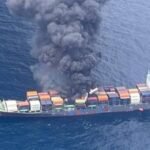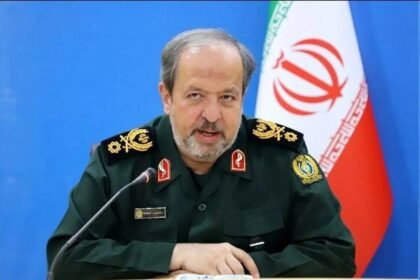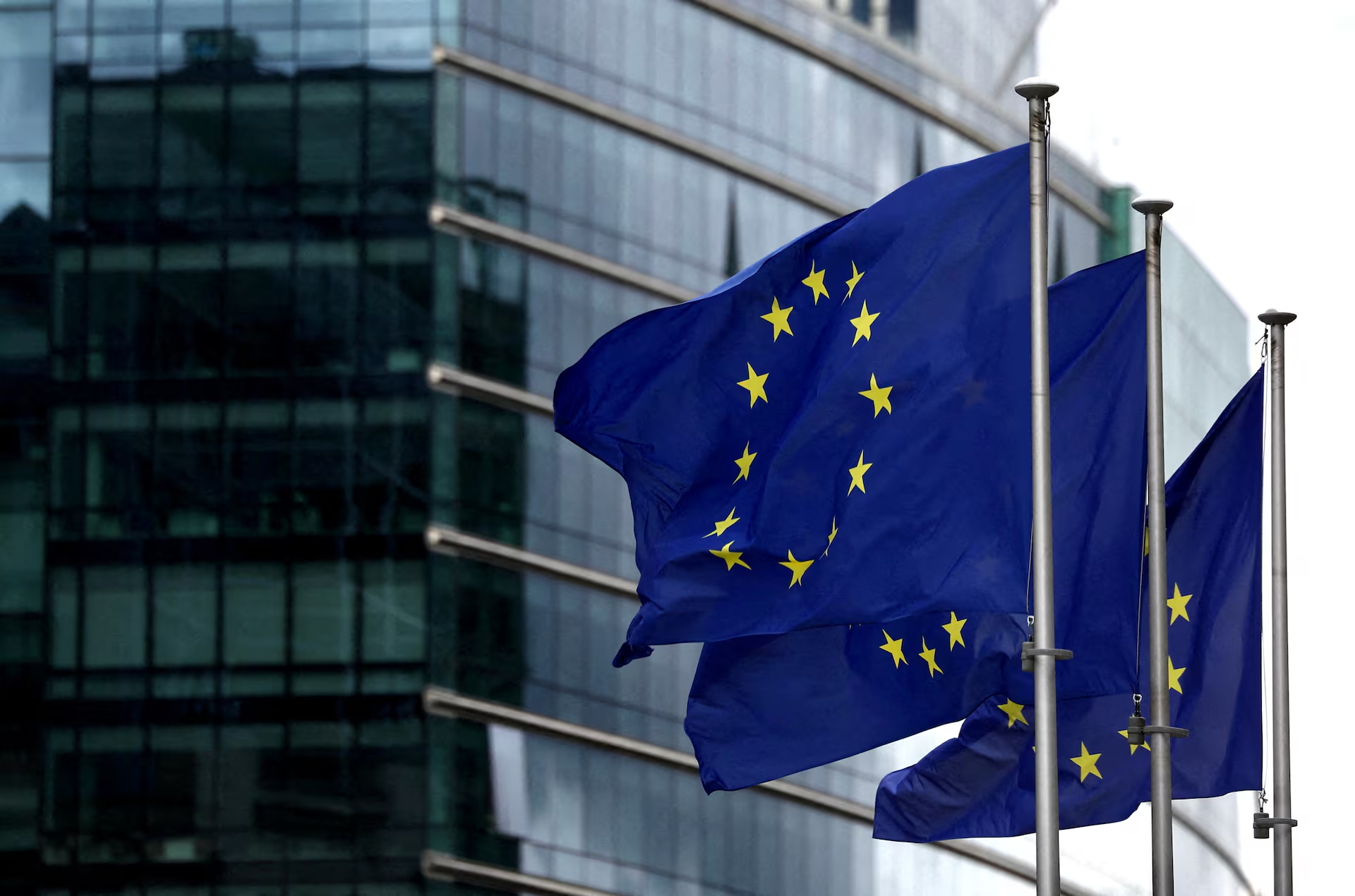
Brussels, Belgium – In a new European move to counter escalating tensions in vital waterways, EU foreign policy chief Kaya Kallas announced on Monday that the bloc has imposed a new round of sanctions on Iranian individuals and entities for threatening freedom of navigation. The announcement was made during a meeting of EU defense ministers in Cyprus. However, the statement did not provide further details on the specific individuals and entities targeted by the sanctions at this time.
European calls to halt the escalation
In a related development, Callas issued a clear call for de-escalation, warning that the recent exchange of fire between Iran and Israel threatens to undermine all efforts and hopes for reaching an agreement to end the war in the Middle East. Speaking to reporters in Nicosia, Callas said, “We witnessed an escalation overnight, and I believe the region does not need further escalation, but rather for the parties to sit down at the negotiating table and reach an agreement.”
Background of military tension
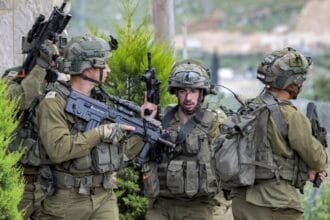
This European stance comes amid worrying developments on the ground, with the past few hours witnessing an intense exchange of attacks. This round began when Iran launched missile strikes toward Israeli targets on Sunday evening, the first such attack since the ceasefire came into effect on April 8.
The Iranian response was a retaliatory move following Israeli airstrikes on Beirut’s southern suburbs. Since then, the two sides have been locked in a cycle of mutual shelling. As a result, these developments have placed the region in a precarious situation, fraught with security and economic risks.
These European moves reflect growing concern that the current confrontations could lead to the collapse of fragile diplomatic efforts.
While the European Union stresses the need for de-escalation and a return to negotiations, the situation on the ground remains unpredictable. Meanwhile, regional actors persist in their military operations, casting a dark shadow over the stability of the entire region.