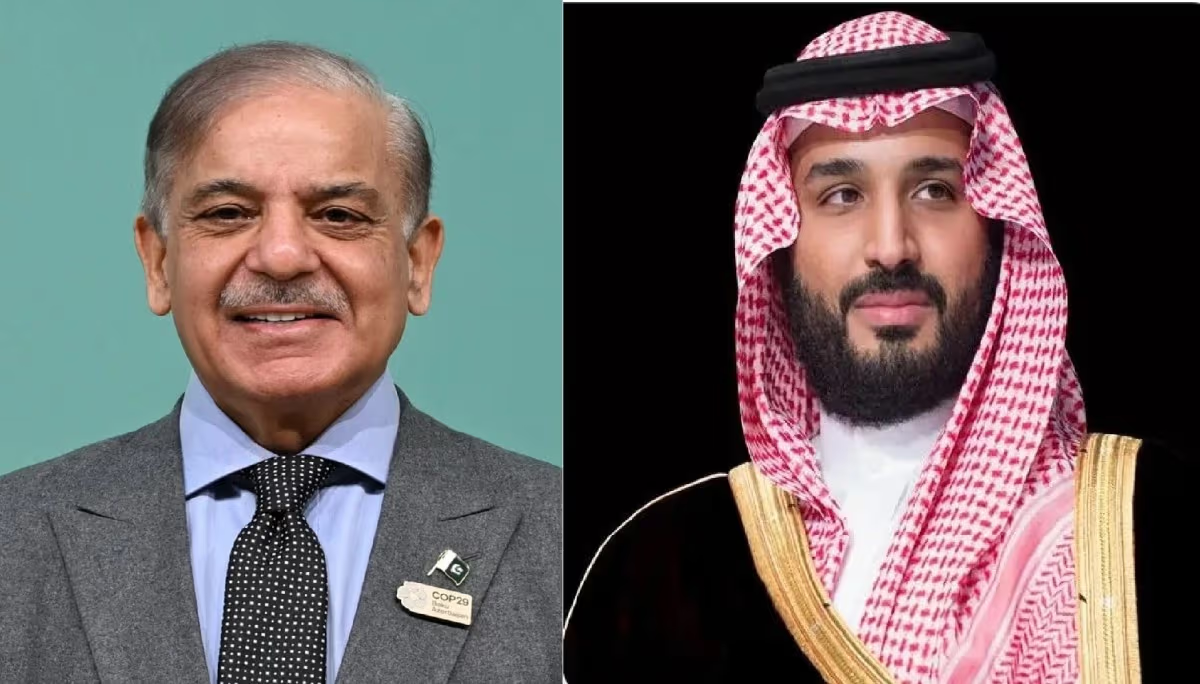
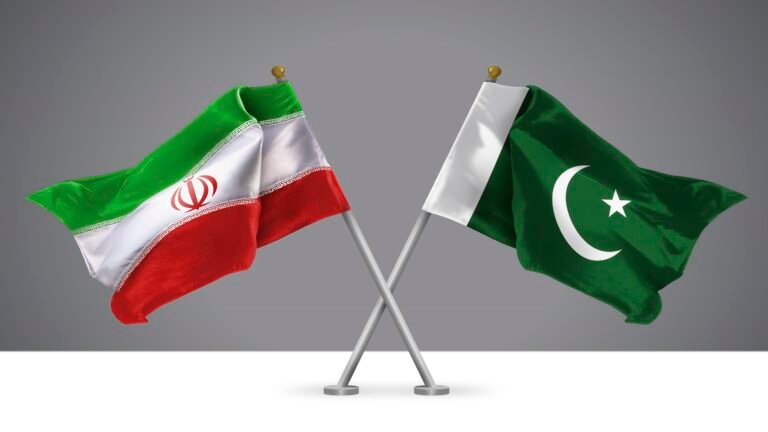
Tehran, Iran – In a step reflecting escalating security communication between the neighbors. The Pakistani Interior Minister delivered an important message to the Iranian Supreme Leader. This message came from the Pakistani Army Chief. It occurred during an official visit to the Iranian capital, Tehran. The visit included high-level meetings between the two sides. Talks focused on enhancing security coordination and military cooperation. They also discussed shared and ongoing border challenges between the countries.
On the other hand, informed sources revealed details of the military message. It carries direct instructions to intensify field cooperation. This step comes in light of border security threats. Specifically along Pakistan’s Balochistan province. And Iran’s southeastern regions. These areas witness periodic infiltration incidents and clashes. These are linked to armed groups and illegal smuggling activities.
Developing Information Exchange Mechanisms and Border Security
In a related context, the Pakistani side emphasized the need for development. This includes developing intelligence information exchange mechanisms. So that the process becomes faster and more field-effective. It also called for increasing cooperation in joint security operations. This is to limit the activity of militants in rugged areas. This security coordination is vital for regional stability.
Furthermore, the Pakistani Interior Minister affirmed his country’s position. It sees Iran’s stability as part of its own national security. He pointed out that cooperation between the two military institutions is necessary. It is the cornerstone for containing potential tensions. Especially in light of the sensitive regional circumstances currently.
Future Cooperation Prospects Between Islamabad and Tehran
On another note, the Iranian Supreme Leader welcomed these efforts. He emphasized the importance of Pakistan as an important regional neighbor. Tehran also expressed its readiness to strengthen intelligence cooperation. This is through opening permanent and continuous communication channels. To address all pending border issues. And to ensure the protection of shared regional stability.
In conclusion, relations between the two countries are witnessing increasing diplomatic momentum. Both parties seek to transform contentious files into paths of cooperation. These paths include energy, trade, and security fields. All within a framework based on trust-building. This security coordination step is considered the beginning of a new phase.