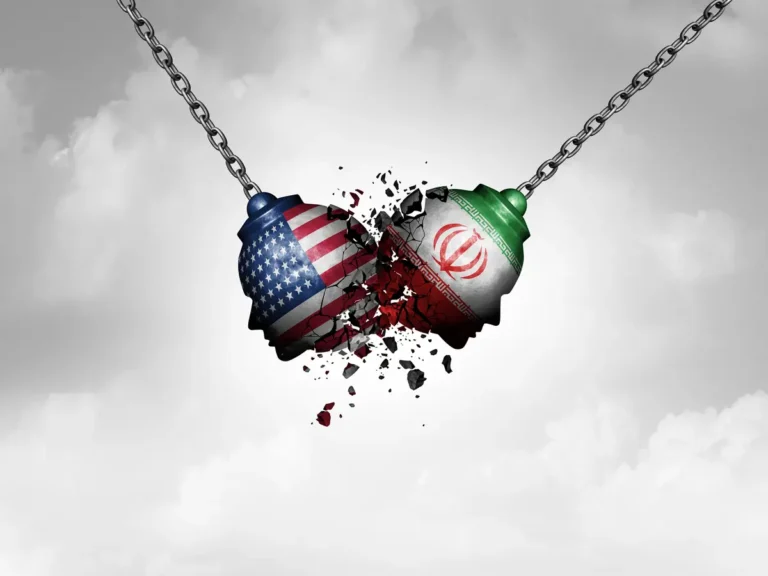
Tehran, Iran – As the war-ending negotiations between Washington and Tehran approach the finish line, the issue of frozen Iranian assets has emerged as a strategic obstacle. This obstacle could torpedo the entire diplomatic effort. While Tehran relies on these funds—estimated at around $100 billion—to revive its struggling economy, Washington insists on tying any financial release to strict “security guarantees.” These guarantees include the nuclear file and securing navigation in the Strait of Hormuz. This “tug-of-war” over timing and mechanism has placed negotiators in a complex diplomatic impasse. Therefore, the frozen assets have become a “wild card” that dictates the fate of the anticipated memorandum of understanding.
Tehran and Washington: A Clash of “Red Lines”
Furthermore, the contrast in positions is evident; Tehran—via the Tasnim news agency—insists that the release of frozen assets must be “immediate and unconditional” upon signing the memorandum, calling it a red line. Conversely, Washington adopts a cautious approach. The United States refuses to release a single dollar before receiving tangible guarantees regarding the dismantling of the nuclear program and the security of maritime corridors. Moreover, reports of “Israeli demands” regarding the export of highly enriched uranium add another layer of complexity. As a result, the quest for a “meeting point” has become an immense challenge.
Doha Diplomacy: Will It Be the “Neutral Wallet”?
In the same context, the May 25 visit of a high-level Iranian delegation to Doha—including the Parliament Speaker, Foreign Minister, and Central Bank Governor—has gained exceptional importance. The presence of the “Central Bank Governor” sends a clear message that the core of the negotiations is “liquidity flow.” Qatar plays a pivotal role as the “neutral channel” holding the funds. In fact, this is a model previously tested. Observers suggest that releasing an initial tranche, estimated at $12 billion, could serve as a “trust key” capable of pushing parties toward a final signature. However, this is only possible provided there is political flexibility that transcends rigid rhetoric.
Scenarios: Between a “Peace Deal” and a “Collapsed Path”
Ultimately, both sides face two stark choices: reaching a pragmatic settlement that allows for the release of some funds in exchange for specific security commitments, or returning to square one. At that point, there are no winners in a conflict that could engulf the entire region. The world is watching today to see if “Qatari diplomacy” will succeed in engineering an exit that saves face for both sides and ensures sustainable stability. Otherwise, the lack of flexibility will lead to the collapse of the diplomatic path at its most critical moments. The fate of the Middle East—economically and politically—is now hanging on the negotiators’ ability to transform these “billions” from a tool of pressure into a pillar for peace.