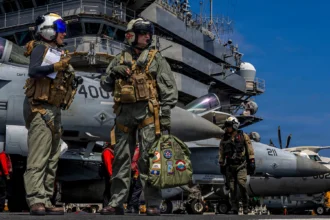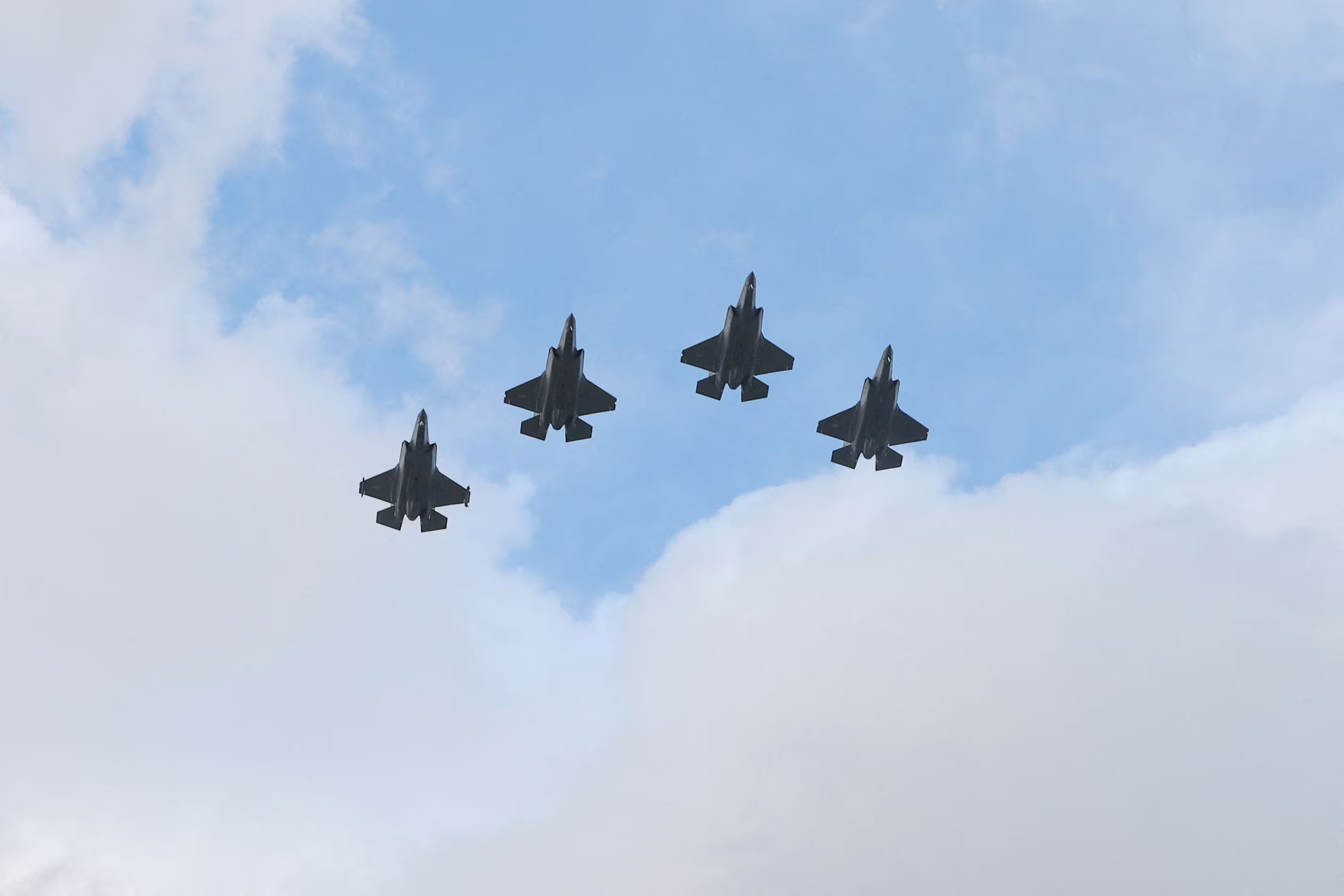
Washington, USA – In a striking security report, the Wall Street Journal has revealed that the United States has conducted over 20 intensive military reconnaissance flights around Cuba since February 4th. Consequently, this unusual activity has sparked concern among international observers. Particularly, the newspaper linked these movements to intelligence patterns that preceded the US involvement in Venezuela in previous periods. From this perspective, experts suggest that these flights are not merely routine surveillance. Rather, they are an indicator of increasing American interest in the “strategic depth” of the Caribbean. This region is now witnessing growing geopolitical interference.
Analyzing the Pattern: Is History Repeating Itself?
Furthermore, the newspaper explained that the intensification of aerial surveillance reflects an intelligence-gathering strategy that often precedes major security movements. Moreover, the timing suggests genuine American fears regarding the growth of military or intelligence cooperation between Washington’s adversaries in the region. On the other hand, the US Department of Defense (Pentagon) remains officially silent regarding these operations. This silence leaves the door open for analysts who believe these moves may be a “deterrence message” directed at the Cuban regime and its allies. Alternatively, it may be a prelude to more complex political and security scenarios in the coming phase.
Caribbean Balances: Security Fears and Geopolitical Escalation
In the same context, these developments come at a time when US relations with many Latin American countries are suffering from accumulated tensions. This is particularly due to illegal immigration, drug trafficking, and the growing international influence of Washington’s rivals in its “backyard.” Based on this, observers interpret the intensified reconnaissance operations as a precautionary measure aimed at monitoring any movements that might threaten US national security. From this perspective, the Caribbean remains a hotbed of geopolitical tension. It is closely monitored globally, given its extreme geographic proximity to the United States. Moreover, the sensitivity of its political balances adds to its importance.
The Ambiguity of US Strategy: Routine Activity or Prelude to a Major Move?
Ultimately, the WSJ report raises a pivotal question: are we witnessing routine intelligence data collection, or is it a “prelude” to a new phase of escalation? Based on this, the lack of official comment leaves room for speculation about an imminent move. As Washington continues to strengthen its observational presence around the island, the world remains in a state of anticipation regarding what these “moving patterns” will lead to. Consequently, US military activity near Cuba represents a new test of the American administration’s ability to manage conflicts in its immediate vicinity. At the same time, the regional landscape is becoming increasingly complex and intertwined.