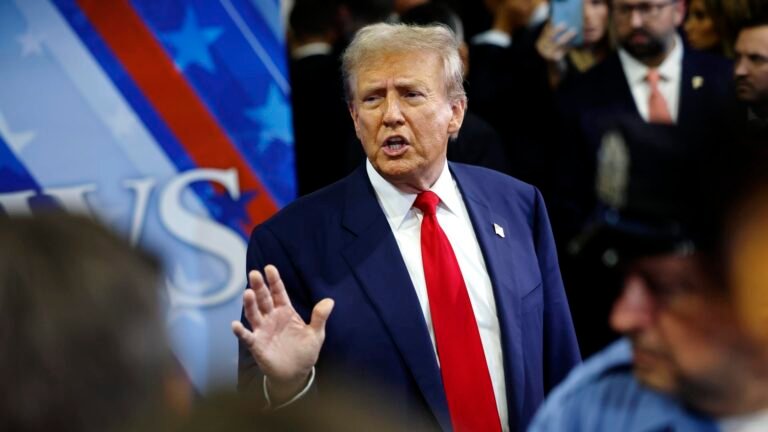
Washington, USA – As regional and international markets await the outcomes of the long-awaited “Memorandum of Understanding” to end the tension between Washington and Tehran, US President Donald Trump has aggressively defended the ongoing negotiation path. He sent a message to critics of the potential deal, stating confidently: “Do not listen to the losers who criticize something they know nothing about.” Trump also confirmed that the details of the agreement are still in the final stages and have not yet been fully announced. Consequently, he sought to reassure his regional allies through a series of high-level contacts with Gulf leaders, Egypt, Turkey, and Jordan. Moreover, he emphasized that any deal he concludes will be “the exact opposite of the Obama deal” in its protection of American interests.
The “No Rush” Strategy: Why is Trump Betting on Time?
On the other hand, Trump sent a clear signal to US negotiators against being “in a rush.” He stressed that “time is on our side.” In a post on his “Truth Social” platform, the President clarified that the blockade on Iranian ports will remain fully in effect until an agreement is reached, ratified, and officially signed. Based on this, Trump seeks to solidify leverage. He aims to transform the negotiations from a “hurried exit from war” into an organized process. This process is aimed at securing long-term strategic gains. Among these gains is the reopening of the Strait of Hormuz as a cornerstone of the agreement.
Political Debate in Washington: Defending Diplomacy Amid Criticism
In the same context, these negotiations are sparking sharp divisions within political circles in Washington. Opponents demand stricter restrictions on Iran’s nuclear program. However, the Trump administration insists that the current diplomatic path is the most realistic way to avoid dragging the region into a new round of war. Moreover, the President confirmed that his communications with regional leaders, including Israeli Prime Minister Benjamin Netanyahu, went “very well.” This signals high-level coordination aimed at securing a comprehensive regional understanding. The understanding is meant to transcend the nuclear aspect and include security for maritime navigation and energy.
Toward a Near Announcement: Will the Final Touches Succeed?
Ultimately, despite existing technical disagreements regarding certain clauses in the memorandum, the general atmosphere suggests the two sides are approaching a preliminary agreement. Accordingly, the international community is awaiting the coming hours, which could bring the official announcement of these understandings. As intensive diplomatic efforts continue through regional mediators, the American bet remains on the ability to craft a “good and appropriate deal” that ends months of tension. Consequently, Trump finds himself facing a real test of his ability to turn these negotiations into a “diplomatic victory.” This would reshape the region according to his administration’s vision, far from the noise of his critics.