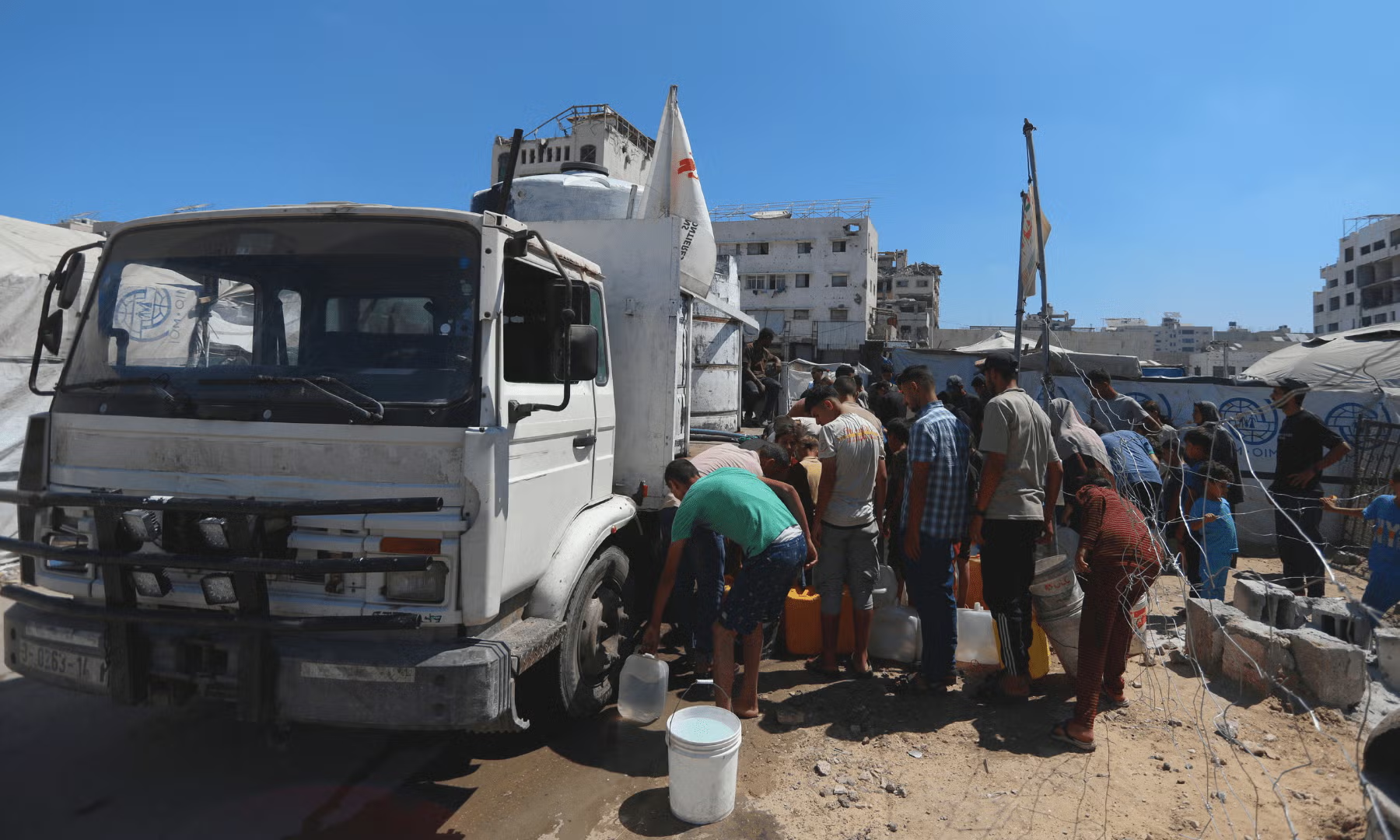
Gaza, Palestine – In an alarming indicator of the deepening humanitarian crisis in the Gaza Strip, a recent UN report has revealed a grim reality. Approximately 75% of families have become entirely dependent on water transported via trucks. Consequently, the water crisis is no longer just a service shortage. It has transformed into an “existential dilemma” threatening the safety of hundreds of thousands. From this perspective, this growing reliance on road transport exposes the scale of the destruction inflicted upon essential infrastructure. Moreover, vital supply networks are now unable to meet the population’s minimum daily needs.
Logistical Challenges Threatening Daily Life
Furthermore, the crisis extends beyond water availability to include complex logistical challenges. Reliance on trucks imposes immense pressure related to transportation costs. There is also difficulty in reaching affected areas and concerns regarding the safety and purity of water transported under extreme emergency conditions. Moreover, the sanitation sector suffers from similar deterioration, heightening fears of disease outbreaks. Consequently, residents face a daily struggle against resource scarcity. Vital facilities remain unable to operate due to fuel shortages and a lack of essential operational requirements.
International Warnings of Impending Health Fallout
In the same context, international organizations are issuing repeated warnings about the severe health and humanitarian fallout of this acute shortage of clean water. Experts emphasize that the continuation of this situation will inevitably lead to rising health risks. This is especially true in shelters and densely populated areas. From this perspective, this crisis acts as a “ticking time bomb” that could trigger widespread infectious disease outbreaks. As a result, UN appeals continue, urging the need to neutralize the water sector from conflict. They also call for securing the regular arrival of essential aid. This would be a first step to pulling the Gaza Strip back from the brink of total collapse.
Need for Urgent and Sustainable Relief Intervention
Ultimately, international relief efforts are a critical necessity, but they are insufficient alone given the scale of the destruction. Based on this, the solution lies not only in sending trucks but in rehabilitating essential networks. It also depends on ensuring service sustainability. As the suffering of families in Gaza intensifies, all eyes are on the possibility of securing a safe and regular aid corridor. This corridor would provide not just water, but all essential life requirements. Gaza today does not need fleeting aid. Instead, it needs effective international will to end this deterioration and restore the minimum level of human dignity for its inhabitants.