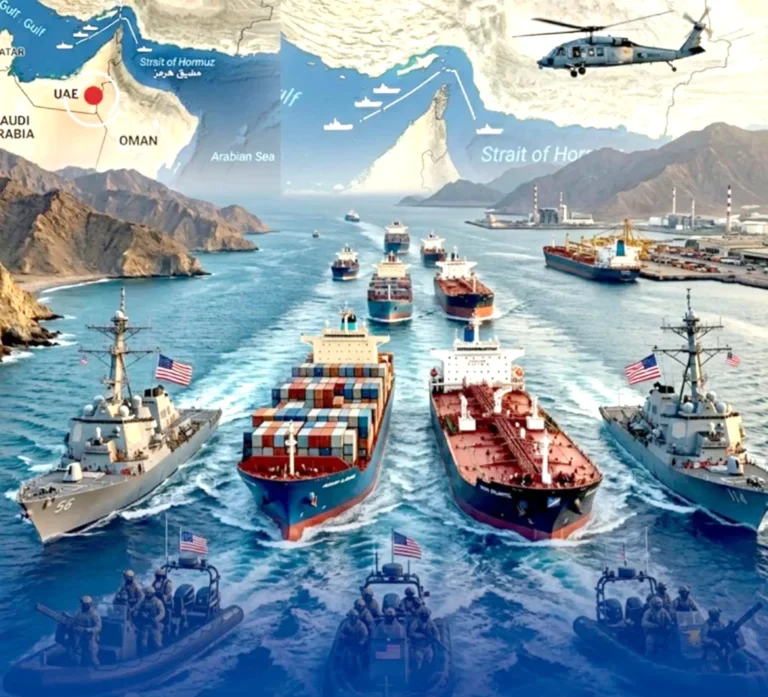
Washington, DC – US Central Command announced that US forces have diverted 97 commercial vessels and disabled four ships since the start of the naval blockade imposed on Iran.
This comes as part of ongoing military and security operations in the Gulf region.
Tightening maritime controls
In a statement, US. Central Command confirmed that the measures taken are part of efforts to enforce maritime
restrictions imposed on Tehran and monitor shipping in vital waterways, particularly around the Strait of Hormuz.
The US. command explained that naval forces are continuing intensive maritime inspection and surveillance operations to ensure
that any attempts to breach the blockade or transfer materials that Washington considers prohibited are prevented.
Escalating tensions in the Gulf
The Central Command statement added that some of the vessels involved were inspected
before being allowed to continue their voyages, while others were detained for suspected violations of established procedures.
These developments come amid escalating tensions between the United States and Iran.
This coincides with ongoing disagreements over Iran’s nuclear program and maritime security in the Gulf.
Washington had previously announced a reinforcement of its naval presence in the region.
This was done in conjunction with the imposition of stricter monitoring measures on commercial vessels linked to Iran.
Concerns about trade and energy
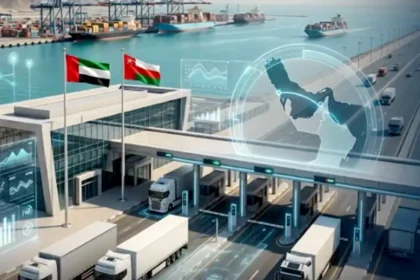
The reciprocal maritime restrictions imposed by both sides have raised international concerns
about their impact on global trade and energy supplies, particularly given
that the Strait of Hormuz is one of the world’s most important shipping lanes for oil and gas.
Several countries and international organizations have called for the preservation of freedom of navigation
and the avoidance of any military escalation that could lead to wider instability in the region and global energy markets.
The US and its allies continue to conduct joint naval operations in the Gulf.
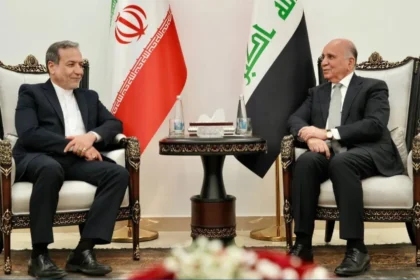
This comes amidst diplomatic efforts aimed at containing the crisis and preventing it from escalating into a direct military confrontation.