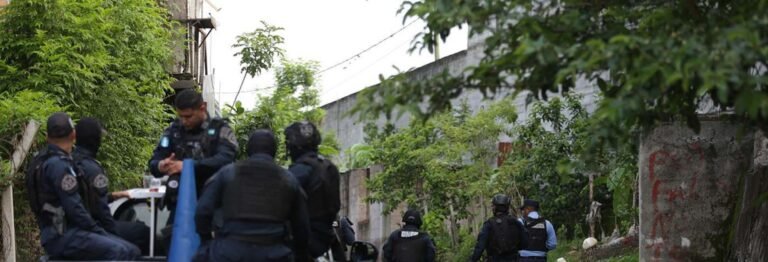
Honduras has witnessed a horrific new massacre that reflects the extent of security lawlessness and the dominance of organized crime; at least 13 people were executed in cold blood from Wednesday night into Thursday inside a farm located in the remote village of “Regures” near the northern coastal city of Trujillo, an area entirely under the control of drug and intimidation gangs.
Horrific Scenes and Heavy Assault Weapons Utilized by Crime Cartels
Local television networks broadcast shocking video clips showing numerous bodies scattered throughout the farm drenched in blood, sparking a massive wave of panic and fear among local residents.
The Minister of Security in Honduras, Jerson Velásquez, told reporters from the scene: “What we saw is a horrific and tragic scene by all standards; the victims were executed and apparently liquidated using heavy, large-caliber firearms, such as assault rifles, which indicates an organized liquidation method followed by crime cartels.”
Bloody Conflict Over Oil Palm Plantations and Targeting of Simple Laborers
Preliminary investigations reported that the massacre occurred in the context of a bloody land dispute; members of the armed gang had occupied two properties designated for the cultivation of African oil palm trees in the village.
The local television network “TSI” quoted an area resident, who spoke on condition of anonymity fearing for his life, that he was able to count about 17 bodies scattered at the site, emphasizing that all indicators show the victims were simple laborers working in the harvesting and cultivation sector of oil palms, who fell victim to the armed conflict.
Absence of the State and Disruption of Developmental and Environmental Projects
This humanitarian and economic disaster comes to shed light once again on the absence of state authority in the northern regions, as well as the negative repercussions of gang control over agricultural estates. These violent practices have caused the suspension of environmental and developmental impact assessment studies for those properties and vital projects upon which local communities depend.
Human rights organizations have called on the Honduran government to intervene immediately to save farmers and cleanse rural areas of armed influence that has come to threaten food security and civilian lives.