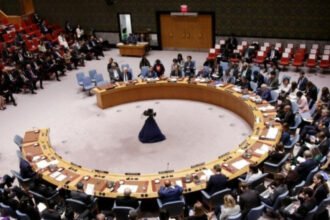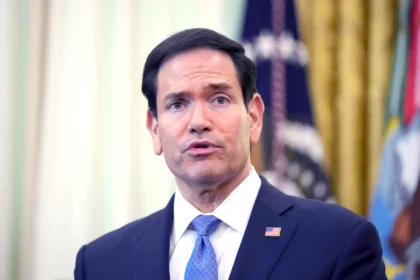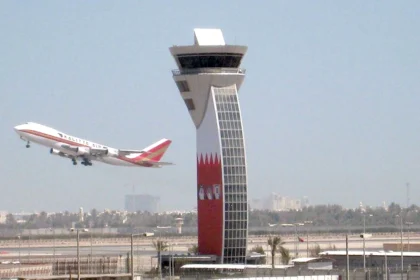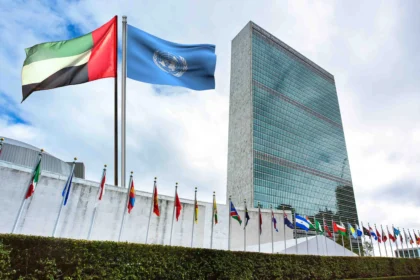
The Permanent Mission of the Russian Federation to the United Nations has articulated Moscow’s official position rejecting military operations targeting vital infrastructure across the Arabian Gulf. The current analysis of the Russia diplomatic stance Gulf emphasizes the catastrophic implications of striking civilian installations, particularly those tied to peaceful nuclear energy. Addressing the UN Security Council, the Russian representative affirmed that the attacks against the Barakah Nuclear Energy Plant in the United Arab Emirates constitute a dangerous precedent violating international law, noting that endangering these facilities directly threatens regional environmental security.
Safeguarding Peaceful Energy Infrastructures and Complying with Anti-Proliferation Treaties
Moscow places the safety of civilian nuclear reactors at the vanguard of its diplomatic priorities due to its direct correlation with global collective security. The Russian envoy explained that targeting the Barakah installation contradicts the Geneva Conventions and additional protocols that explicitly prohibit attacks on infrastructure containing dangerous forces. Russia demands an impartial international investigation to identify the entities responsible for these strikes, ensuring the prevention of similar incidents that could trigger transboundary environmental disasters affecting global maritime lanes and energy transits.
Russian diplomatic channels are driving regional stakeholders to adopt collaborative security initiatives designed to insulate energy hubs and essential infrastructure from armed conflicts. These maneuvers help preserve stability across oil and gas markets, blocking sudden fuel price spikes that compromise the global economy. Moscow maintains that respecting the national sovereignty of Gulf states functions as the baseline framework required to prevent the collapse of the regional security matrix in the Middle East.
Demands for Tactical De-escalation and Protecting Transcontinental Maritime Trade
Conversely, Russia urged regional and international powers to exercise maximum restraint and avoid military reactions that could trigger a wider confrontation. The envoy noted that resolving ongoing disputes mandates activating political dialogue tables under United Nations auspices rather than relying on armed deterrence. Moscow warns that escalating friction within waterways adjacent to the Strait of Hormuz will disrupt international maritime trade, inflating insurance premiums for commercial vessels and civilian tankers.
Moscow is multiplying engagements with Gulf capitals to promote its collective security proposal for the Gulf region, which aims to establish a shared defense and coordination framework to combat terrorism and secure borders. The current geopolitical landscape requires strict adherence to legal norms to prevent the region from sliding into an expanded security vacuum. Tracking the evolutionary trajectory of this Russia diplomatic stance Gulf remains a vital metric for evaluating power balances and the future of development projects across the Middle East in 2026.