Washington, DC – US Senator Marco Rubio stated that the World Health Organization was slow to detect the Ebola outbreak in its early stages.
He indicated that this delay, even if limited, could negatively impact the speed with
which epidemics are contained and may also hinder efforts to mitigate their global health effects.
Calls to strengthen early warning systems
Rubio explained that past experiences with major epidemics such as Ebola
and COVID-19 have revealed clear challenges in early detection and rapid response mechanisms.
He emphasized the need to develop these systems to ensure greater capacity to contain any future outbreaks before they spread.
He added that the World Health Organization plays a crucial role in managing health crises.
However, coordination and data-sharing mechanisms still need improvement.
This is especially important in countries with weak health systems
or limited access to accurate epidemiological information, as this can slow down early detection efforts.
The risks of epidemics and the importance of rapid response
Rubio pointed out that delays in detecting or reporting any outbreak could lead to widespread transmission.
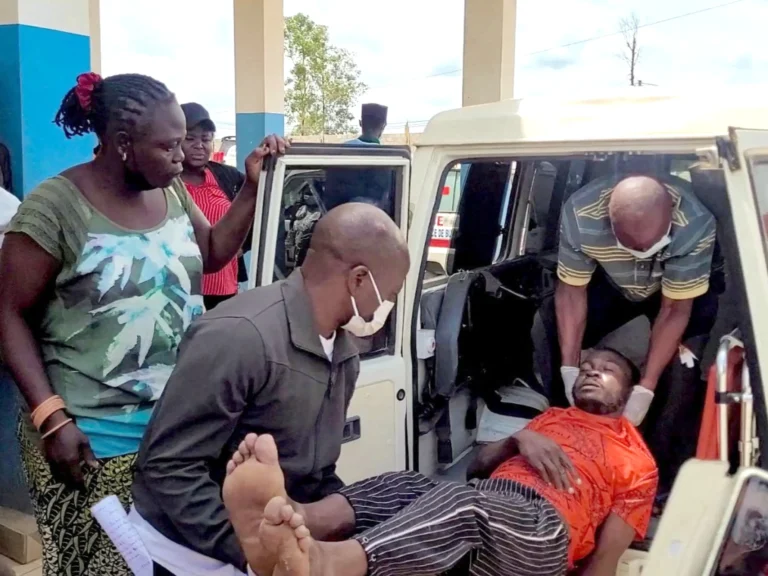
He also noted that Ebola is one of the most dangerous hemorrhagic viruses,
causing high mortality rates in some of the most vulnerable regions.
He emphasized that strengthening international cooperation and the immediate exchange of information
between countries and health organizations are essential in combating epidemics.
He also called for improving the efficiency of early warning systems
and field response capabilities in countries most vulnerable to infectious disease outbreaks.