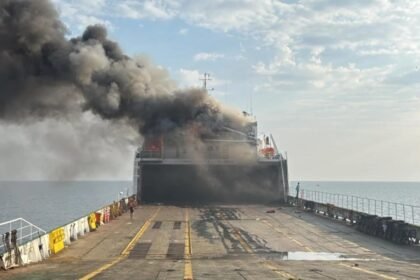
The Permanent Mission of Greece to the United Nations has formulated Athens’ official stance rejecting military escalations targeting vital infrastructure across the Arabian Gulf. The current focus of Greece foreign policy UN Security Council concentrates on the absolute condemnation of armed strikes against the Barakah Nuclear Energy Plant in the United Arab Emirates. Addressing the UN Security Council, the Greek representative affirmed that compromising civilian atomic infrastructure poses a direct threat to collective security, emphasizing that international statutory frameworks explicitly prohibit subjecting peaceful nuclear utilities to military actions that could cause transboundary ecological disasters.
Safeguarding Maritime Commerce and Securing Essential Waterways in the Middle East
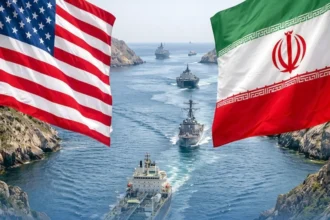
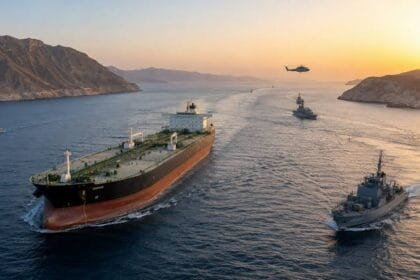
Athens positions international maritime security at the absolute forefront of its diplomatic priorities, driven by its status as the manager of one of the largest merchant shipping fleets globally. The Greek envoy explained that the immunity of transit through the Strait of Hormuz and adjacent Middle Eastern waterways serves as a critical anchor for macroeconomic stability and the continuous flow of global energy supplies. Greece demands that peaceful nuclear facilities remain subject to the rigid safeguards mandated by the International Atomic Energy Agency (IAEA), while insulating commercial sea routes from regional political friction to mitigate spikes in freight and insurance premiums.
Greek diplomatic channels, collaborating with European and global allies, seek to enforce binding legal frameworks that penalize entities targeting civilian infrastructure. These maneuvers assist in establishing a unified international coalition focused on protecting marine ecosystems from radioactive or petroleum contamination caused by hostile operations. Athens maintains that preserving global peace requires strict adherence to the International Law of the Sea, treating commercial ports and energy stations as legally sheltered environments during periods of harmony and conflict alike.
Prioritizing Diplomatic Compromise and Halting Transboundary Military Escalations
Conversely, Greece urged regional stakeholders to exercise maximum operational restraint and utilize political mediation frameworks as the exclusive alternative to armed polarization. Athens notes that the region cannot absorb further waves of violence without completely dismantling diplomatic de-escalation efforts and halting shared developmental projects. Regulatory circles in New York warn that sustained strikes on crucial energy installations will trigger global economic stagnation due to intense price volatility for crude oil and liquefied natural gas (LNG).
The current geopolitical landscape mandates heightened intelligence and naval coordination among coastal sovereign states to shield civilian cargo fleets and oil tankers from asymmetric hazards. Athens confirms its ongoing readiness to back UN-sponsored mediation plans aimed at anchoring sustainable peace metrics that preserve national sovereignty.