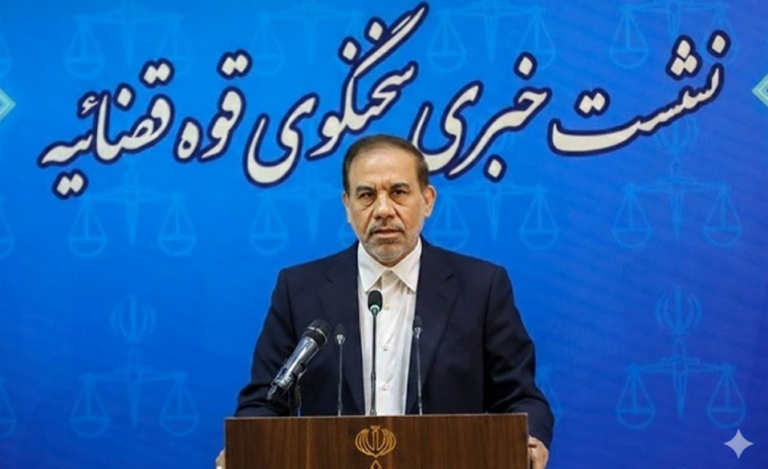
Tehran, Iran – In a new escalation of security and judicial crackdowns coinciding with military tensions, Asghar Jahangiri, spokesman for the Iranian judiciary, announced the confiscation of 262 properties across the country since the start of the 40-day armed conflict.
Context of confiscations and accusations
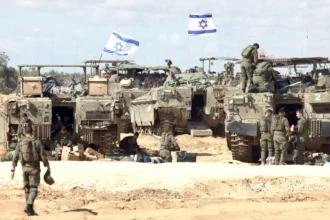
Judicial and security institutions began implementing property seizures on March 29, 1404 AH (corresponding to 2026 CE). This coincided with the peak of the US and Israeli airstrikes against Iranian targets.
The targeted citizens were charged by the authorities with “colluding with the enemy.” They were also accused of providing intellectual or informational support to the Islamic Republic’s adversaries during the war.
In an official statement regarding the procedures followed, Jahangiri explained: “According to the Documents Registration Organization, 722 legal inquiries have been submitted to the organization so far concerning the assets of the suspects, resulting in the actual seizure of 262 properties in various provinces.”
The spokesperson added that these properties, along with the confiscated bank accounts, will be transferred to the ownership of the Iranian people. This will occur once final and binding rulings are issued by the competent courts.
Legal ambiguity and targeting of celebrities
Despite official announcements, the precise details of the legal procedures upon which the authorities based their seizure of these individuals’ assets remain shrouded in secrecy. This comes amid a lack of transparency regarding the nature of the trials or the evidence presented.
These measures have targeted a wide range of public figures, including journalists, former actors, political activists, and artists who have taken positions opposing or criticizing the handling of the crisis.
In parallel with the confiscations, the judiciary imposed strict restrictions to prevent any transfer of ownership or sale of assets by these individuals.
This coincided with intensified activity by regime supporters on social media platforms. There, they launched campaigns to “identify opponents” and document their activities under the label “war supporters.” Human rights observers considered this an attempt to legitimize the economic and social pressures exerted on critical voices within the country.
This judicial trend reflects Tehran’s desire to impose tight internal control during major crises. It also reflects the use of “property as a weapon” to suppress dissent at a time when the country is facing unprecedented external challenges. This raises international questions about standards of justice and individual property rights under these exceptional laws.