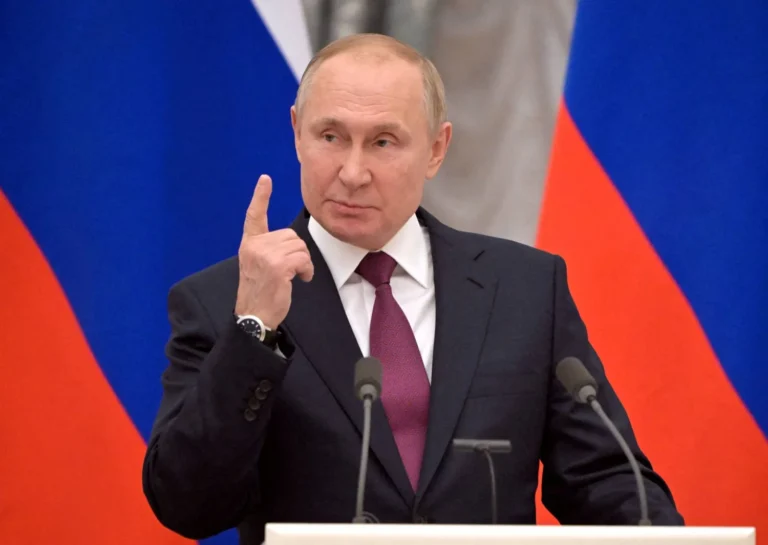
Moscow – In a surprise move coinciding with Russia’s “Victory Day” celebrations, President Vladimir Putin has announced a temporary 48-hour ceasefire in Ukraine. Obviously, by May 2026, the Kremlin is leveraging this symbolic occasion to show a degree of “humanitarian flexibility.” The decision includes suspending air and artillery strikes on several active fronts, providing a brief window to de-escalate and reduce the intensity of the conflict.
“A Soldier’s Break”: Will the Two-Day Truce Succeed in Opening Humanitarian Corridors?
The Kremlin clarified that the objective of this field de-escalation is to respect the sanctity of “Victory Day” in Russian memory; accordingly, orders were issued to troops to halt offensive operations. Clearly, there is international pressure attempting to utilize these 48 hours to push for permanent humanitarian corridors and deliver aid to devastated areas. However, global powers remain cautiously expectant, waiting to see if this truce is merely a “regrouping of forces” or a genuine start to de-escalation.
“Test of Intentions”: International Split Between Welcoming the Truce and Doubting Its Goals
Observers believe the world is divided in its view of this step. While some see it as a golden opportunity to pave the way for potential peace negotiations, others doubt the actual commitment on the ground. As a result, the truce remains hostage to rapid field developments; analysts fear that any “minor breach” could reignite the fronts more violently than before. In this landscape, the vital question remains: can a two-day truce transform into a permanent end to the bloodshed?