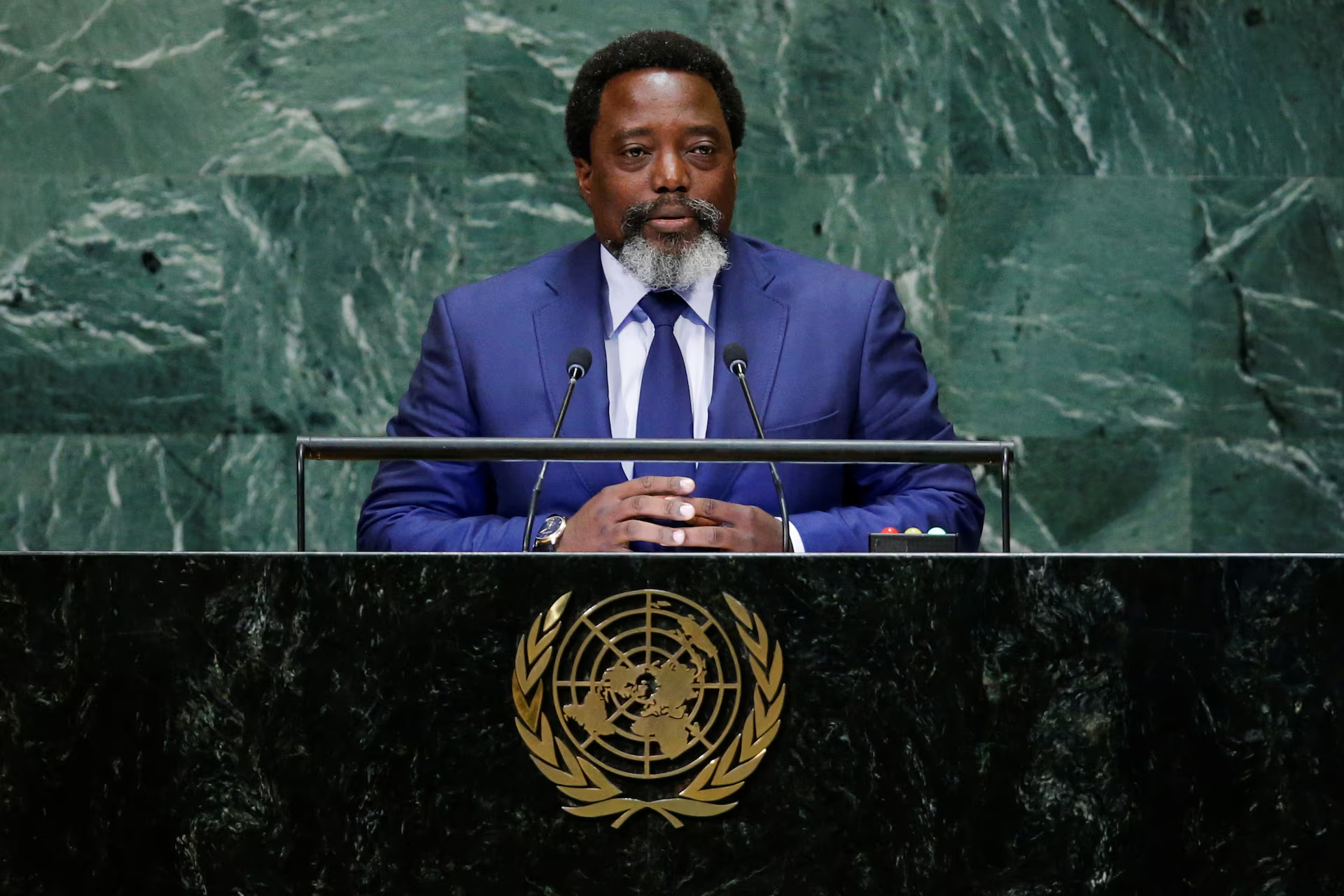
Washington – In a move described as a “major political shock,” the US Department of the Treasury has announced sweeping economic sanctions against Joseph Kabila, the former President of the Democratic Republic of the Congo (DRC). The decision comes after direct allegations of Kabila providing financial and military support to the M23 rebel movement—widely considered by the government and international bodies as the primary driver of instability in the country’s east. Obviously, Washington has decided to use the “sanctions weapon” to cut off support lines for armed groups threatening regional stability across the African continent.
Scott Bessent: The Era of Impunity in Africa is Over
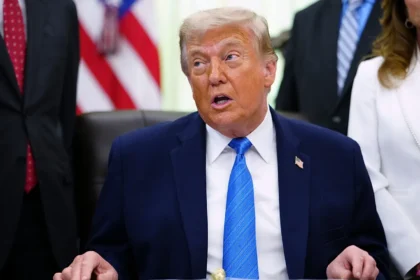
New US Treasury Secretary Scott Bessent emphasized that President Donald Trump’s administration will not tolerate those he describes as “peace spoilers.” Bessent stated that Washington has evidence of Kabila’s involvement in financing rebels, asserting that the US is committed to holding accountable anyone fueling armed conflicts for personal or political gain. Accordingly, this move serves as a warning shot to all regional powers and influencers in African conflicts that the “bill is due.”
Crippling the Insurgency: How Washington is Suffocating M23?
Analysts believe that targeting Kabila with sanctions is primarily aimed at drying up the funding sources for the M23 movement, weakening its ability to conduct military operations against civilians and the Congolese army. As a result, international circles are closely monitoring the reaction in Kinshasa, especially since the decision comes at a highly sensitive time for regional peace. Amid this “American grip” in May 2026, it appears the Trump administration intends to force stability in the DRC by pursuing the “big players” who manage the conflict from behind the scenes.