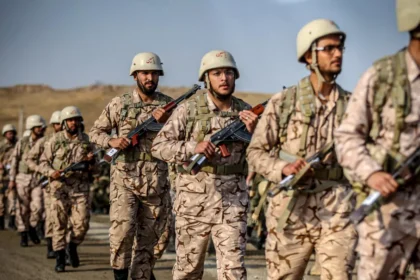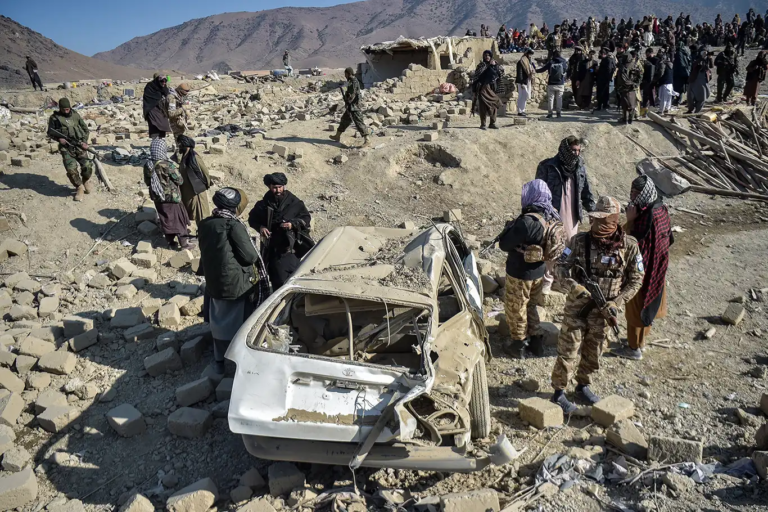
Islamabad – The Pakistani-Afghan border witnessed a new chapter of bloody confrontations in the “Spin Boldak” district of Kandahar province, where violent armed clashes broke out between Taliban border guards and the Pakistan Army. The clashes, which involved light and medium weaponry, resulted in fatalities and injuries on both sides, including Pakistani soldiers. These developments add fuel to the fire of a relationship that has been strained for months, amid explicit Afghan accusations against Pakistani forces of killing an innocent child and withholding the bodies of Taliban fighters, which accelerated the military escalation on the ground.
Sovereignty Breaches and Infiltration Claims: Behind the “Fragile Border” Conflict
While Kabul speaks of Pakistani aggressions targeting civilians, security sources in Islamabad described the incident as an “armed infiltration attempt” from within Afghan territory that was intercepted and foiled. Obviously, the roots of the crisis trace back to last February, as diplomatic channels failed to contain escalating disputes over border security and the activities of the “Pakistani Taliban” (TTP). As a result, the border strip has turned into an arena for political score-settling, amid mutual accusations of supporting armed groups operating on both sides, making the “Spin Boldak” crossing a permanent flashpoint threatening trade and transit.
South Asia on High Alert: Will Confrontations in Kandahar Spiral Out of Control?
Analysts believe the continuation of these intermittent clashes portends a broader military explosion that could destabilize the fragile regional security in South Asia. Accordingly, Pakistani forces have increased reinforcements along the border, while the Taliban has raised the alert level in Kandahar province. In the absence of radical solutions to the “legacy borders” issue and mutual security demands, the situation remains dependent on a single gunshot that could turn these skirmishes into a full-scale confrontation—at a time when both countries are grappling with domestic economic and security pressures that make war a risky gamble.