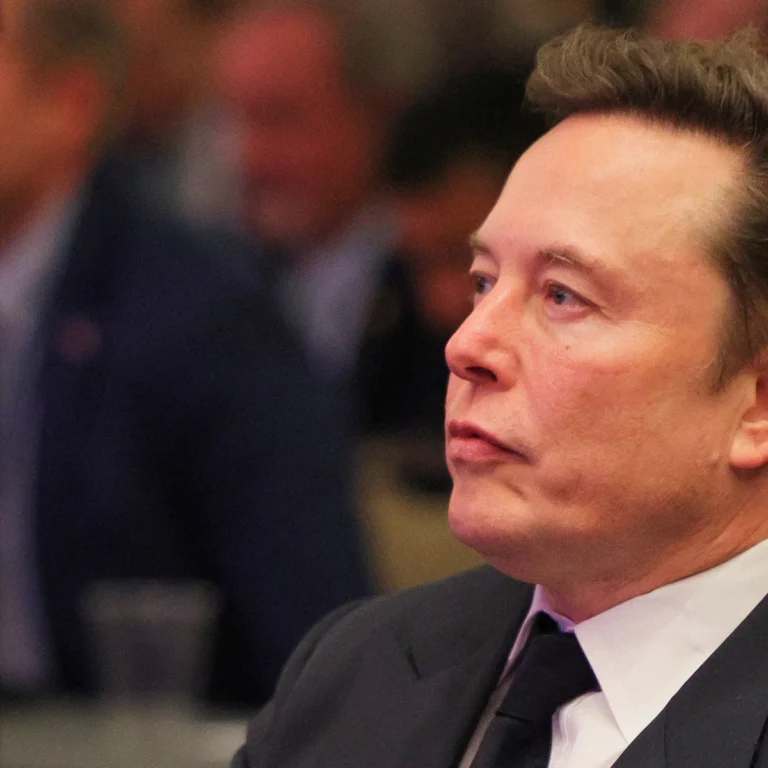
Washington – In a striking development for one of the tech world’s most high-profile cases, a US judge has decided to drop the fraud charges from the lawsuit filed by billionaire Elon Musk against OpenAI. The court’s decision followed a meticulous legal review that concluded there were insufficient grounds or evidence to proceed with this portion of the case. Although the fraud charge was dismissed, the legal dispute remains ongoing regarding other files, redrawing the boundaries of the confrontation between Musk and the company he co-founded before it became a fierce rival in the AI market.
Principles vs. Profits: The Core of the Dispute Between Musk and OpenAI
Musk’s lawsuit is primarily based on the accusation that OpenAI deviated from its original path as a “non-profit” entity and transformed into a purely commercial model seeking billions, which he considers a betrayal of the humanitarian principles for which it was established. Conversely, OpenAI rejects these claims entirely, affirming its commitment to developing responsible and safe AI. Obviously, the dismissal of the fraud charge will force Musk’s legal team to reframe their demands, focusing more on contractual obligations and the corporate structure to try and win the battle.
Industry Future: How Will the Court Ruling Affect the Global Tech Race?
Experts believe this case transcends a mere disagreement between two individuals, touching the entire future of the AI industry and the rules governing this rapidly growing sector. Certainly, the latest decision marks a new stage in the conflict; while the battle is not yet settled, it has entered a more complex chapter that may define the balance of power among major corporations. Accordingly, the dispute between Musk and OpenAI remains the focus of markets and policymakers at a time of increasing international pressure to establish legal frameworks governing the new tech giants.