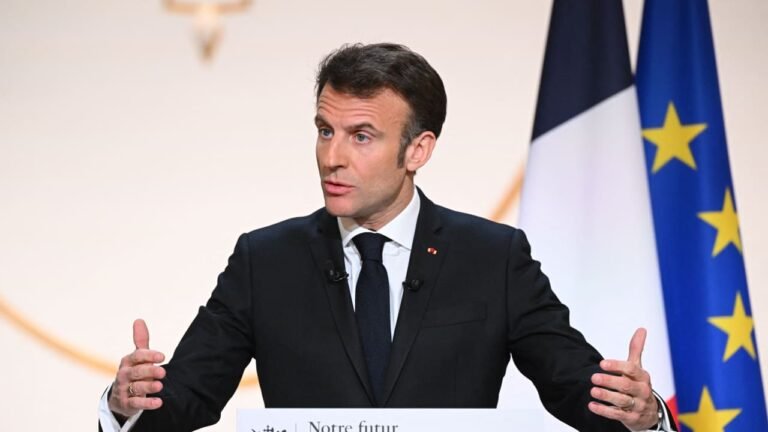
Paris – French President Emmanuel Macron emphasized the utmost necessity of fully reopening the Strait of Hormuz in the coming weeks, asserting that freedom of navigation is a right guaranteed by international law and no transit fees should be imposed. Macron explained that the continued closure or obstruction of this vital corridor puts the stability of global energy supplies at risk, especially with escalating geopolitical tensions that have placed the entire world “in the same boat” facing the danger of economic collapse resulting from fuel shortages.
Energy Shortage Risk: TotalEnergies Sounds the Alarm Over Iran War
In a related context, Patrick Pouyanné, CEO of TotalEnergies, warned of the catastrophic repercussions of the ongoing war on Iran, noting that the world could face an unprecedented energy crisis if the current situation persists for several months. Pouyanné clarified that the disruption of about 20% of global oil and gas supplies threatens an acute shortage, particularly in Asian countries that have already begun to feel the impact of these disturbances, emphasizing that the global market cannot withstand the absence of this volume of supplies for long without entering a comprehensive energy crisis.
Paralysis in the Strait of Hormuz: International Navigation Between Seizures and Military Restrictions
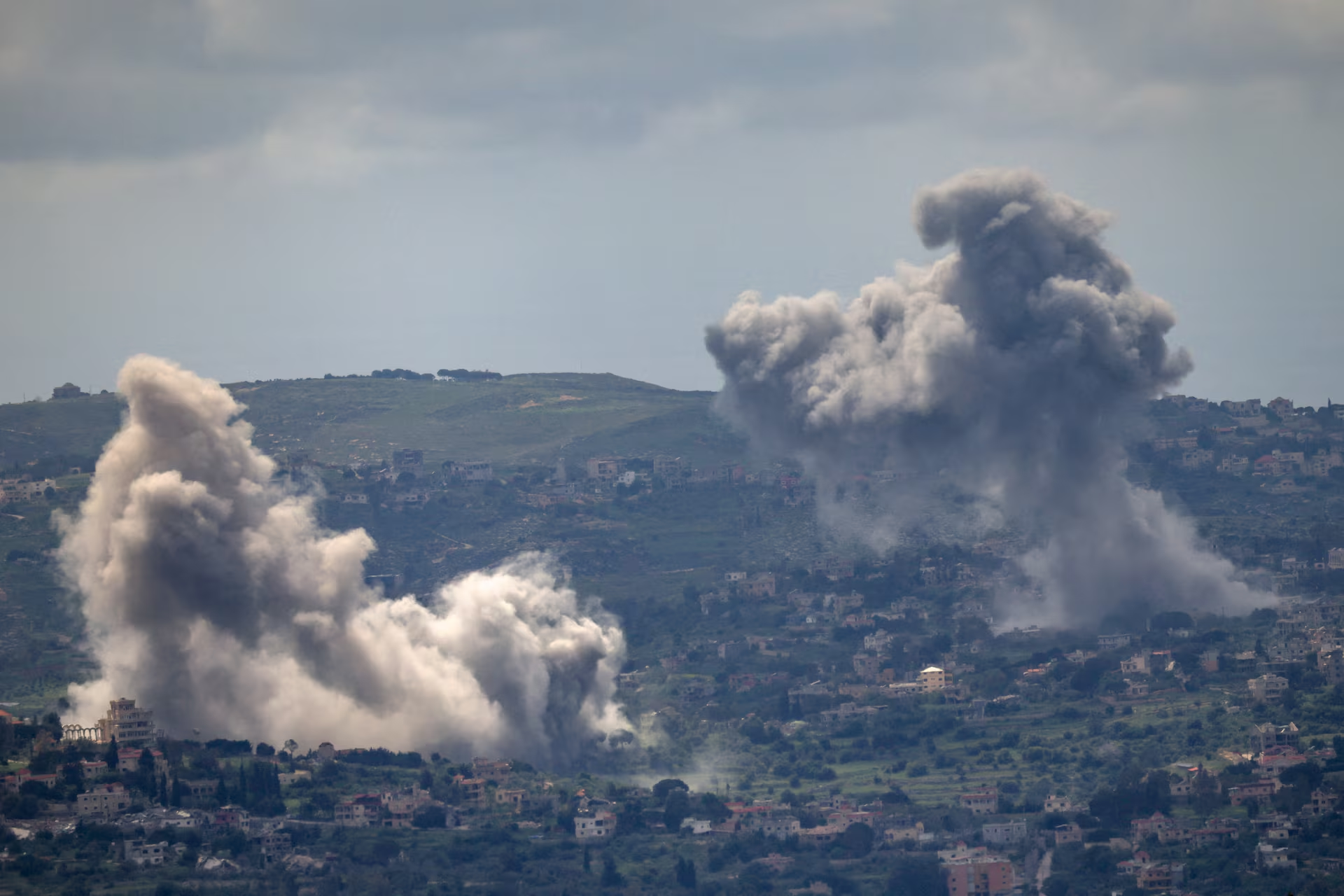
The Strait of Hormuz is experiencing significant disruption due to military escalation, leading to the interruption of essential commodity transfers, including oil, gas, fertilizers, and medicines. The crisis worsened with successive ship seizures and strict restrictions on ports, prompting more than 12 countries to announce their readiness to participate in an international mission led by France and Britain to secure the waterway. This international move seeks to ensure the return of trade movement as soon as field conditions improve, ending the state of “uncertainty” dominating global markets.