Tehran – International media reports, including those from the New York Times, have uncovered radical shifts in Iran’s governance structure, with Mojtaba Khamenei’s direct role receding in favor of the surging influence of IRGC commanders. Reports indicate that decision-making in Tehran has become an institutional “Board of Directors” style, as the Supreme Leader has not made a public appearance in months. Accordingly, the Iran power structure shift 2026 represents a total transition of the center of gravity from the religious establishment to the military, driven by obscure security and health conditions.
Absenting Behind the Scenes: Does Mojtaba Exercise His Father’s Authority?
Sources state that the new Leader does not possess the same centralized power his father once held, with his communication restricted to written messages and very limited channels. Obviously, critical health conditions following previous military developments have forced a type of “Collective Management” dominated by top military officials. As a result, the Revolutionary Guard has become the actual driver of foreign and defense policies, moving away from the traditional religious charisma that defined past decades.
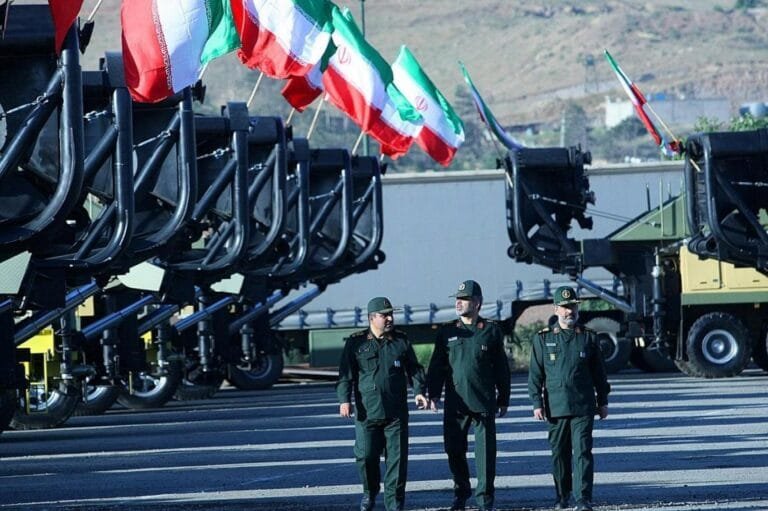
IRGC Holding the Reins: “Militarization” Replaces “Guardianship”
According to analysts, decisions regarding regional escalation and sensitive files are now originating directly from IRGC command offices. Certainly, this shift reflects the military establishment’s desire to secure regime stability during a critical transition phase. Accordingly, the Iran power structure shift 2026 remains the primary challenge to regional stability, as the Iranian regime gradually transforms into a “State of Generals” managing crises with a purely field-oriented mindset amid strict secrecy regarding the Leader’s health and leadership status.