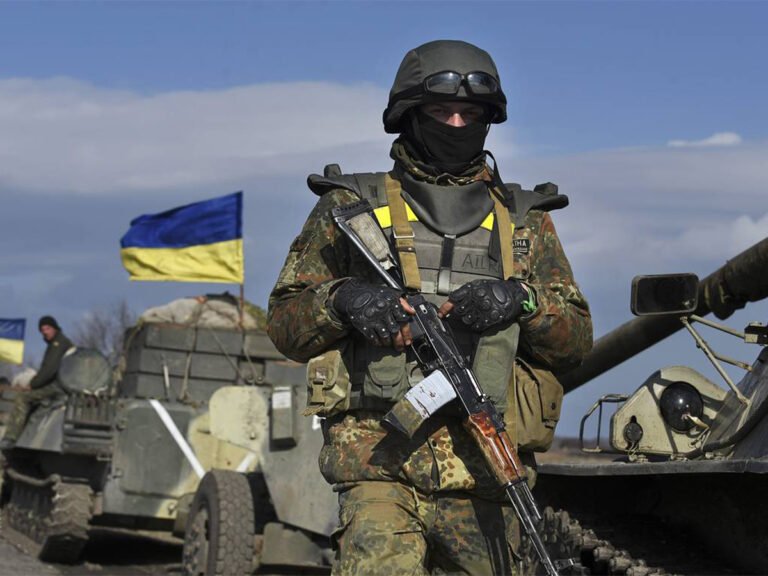
Kyiv, Ukraine – The Ukrainian General Staff announced on Sunday morning, April 26, 2026, the dismissal of a senior military commander on the Eastern Front. This move follows a wave of outrage sparked by leaked reports and photographs. The reports revealed that Ukrainian soldiers were suffering from severe and tragic shortages of food and water on the front lines.
“Hunger” scandal on the front lines
The General Staff explained that the dismissal was a result of “concealing the true situation on the ground.” It also cited serious errors in assessing the logistical needs of the troops. Reports revealed that soldiers stationed in the Kharkiv region, in the northeast of the country, faced shortages of supplies lasting between 10 and 15 days without any deliveries.
Shocking eyewitness accounts described some soldiers being forced to drink rainwater and melt snow to survive. This undoubtedly sparked sharp criticism of the military leadership regarding its support and oversight mechanisms.
In response to this crisis, the Ukrainian leadership announced emergency measures to bolster its supply lines. It decided to utilize alternative means, such as drones and boats, to reach isolated combat positions, which are difficult to secure using conventional methods.
Zelensky’s moves: From Baku to rallying international support
Diplomatically, Ukrainian President Volodymyr Zelenskyy continued his intensive diplomatic efforts, paying an official visit to Azerbaijan. This was his first visit since the outbreak of war in 2012. Zelenskyy and President Ilham Aliyev discussed ways to strengthen cooperation in the areas of security and energy. The talks concluded with the signing of six strategic cooperation agreements.
In a message to the international community, Zelensky reiterated his call for stricter economic sanctions against Moscow and for strengthening Ukraine’s air defense systems. He stressed that protecting the skies is the top priority to stop the bloodshed in Ukrainian cities, which are subjected to daily missile attacks.
Field escalation and the spread of shrapnel to Romania
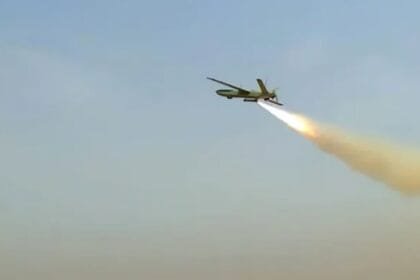
On the ground, the conflict has entered a new phase of “warfare in depth.” A Ukrainian drone targeted a residential building in the Russian city of Yekaterinburg. This is the first such attack to hit this city, located deep within Russian territory.
In response, Russia launched a large-scale air offensive with hundreds of drones and missiles. This offensive targeted the cities of Dnipro and Zaporizhzhia, resulting in deaths, injuries, and the destruction of vital infrastructure. Meanwhile, Moscow reported casualties in Belgorod and Kursk due to Ukrainian shelling.
In a development that has raised concerns within NATO, the Romanian Ministry of Defense announced the discovery of debris from a Russian drone in the southeastern city of Galati, following an attack targeting Ukrainian border positions.
Bucharest confirmed that the debris caused material damage to a building and a power pole, but no injuries were reported. This incident underscores once again the risk of the conflict spilling over into neighboring NATO countries.