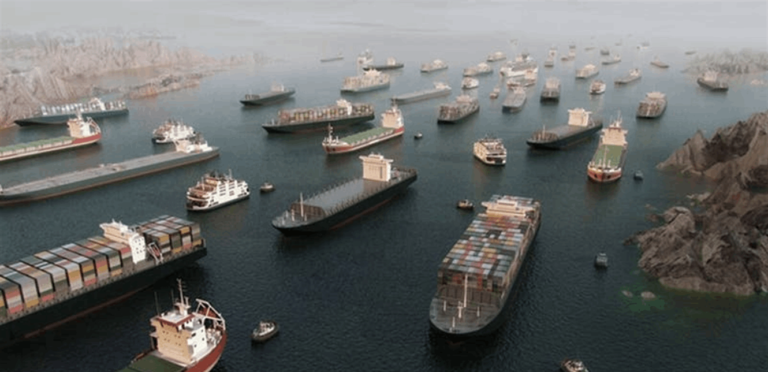
Riyadh (Agencies) – The Saudi Council of Ministers has reaffirmed its continuous monitoring of maritime navigation developments in the Strait of Hormuz, amid rising regional tensions and their potential impact on energy security and trade. The Council stressed the necessity of ensuring freedom of navigation and the safety of international maritime corridors, confirming the Kingdom’s support for all efforts to prevent threats to vessel movements. Accordingly, navigation security in the Strait of Hormuz remains a top priority for Riyadh, which is closely monitoring the situation to ensure the uninterrupted flow of oil exports, thereby preserving global economic stability.
Close Monitoring: Saudi Measures to Ensure Market Stability and Prevent Disruptions
The Council indicated that relevant authorities in the Kingdom are taking all necessary measures to ensure Saudi Arabia remains a “reliable supplier” of energy, independent of any field disturbances. Obviously, Riyadh seeks to send reassuring messages to global markets given the sensitivity of current conditions in the Gulf region. As a result, the Kingdom renewed its call for restraint and the prioritization of diplomatic solutions to avoid any escalation that could disrupt supply chains or lead to uncalculated spikes in oil prices.
Hormuz Under the Spotlight: Global Energy Artery and Trade Protection Responsibility
The Saudi move comes at a time of increased international concern over potential disruptions in the Strait of Hormuz, through which the majority of global oil supplies pass. Certainly, any threat to this waterway would place international economic security in jeopardy, prompting Riyadh to confirm its readiness to protect supplies. Accordingly, navigation security in the Strait of Hormuz stands as the safety valve for market stability, amid Saudi and international coordination to ensure that maritime corridors do not become an arena for political or military conflicts.