
Washington (Agencies) – Amid the ongoing escalation between the United States and Iran, the “Economic Anger” strategy has emerged as a key pressure tool aimed at creating a financial shock to force Tehran to alter its regional behavior. Despite successfully isolating Iran from the SWIFT global financial system and the subsequent currency devaluation, results raise questions about the sanctions’ ability to achieve a final resolution. Accordingly, the impact of sanctions on Iran’s economy remains a focal point for analysis, especially as the political system persists despite mounting social pressure and protests fueled by eroding purchasing power.
Adapting to Financial Suffocation: How Does Tehran Confront “Maximum Pressure”?
Tehran has shown a remarkable ability to endure by adopting “Resistance Economy” policies and expanding informal trade networks, supported by strengthening ties with China and Russia. Obviously, Washington’s ability to completely stifle oil exports remains limited due to the use of smuggling networks and parallel markets. As a result, the economic shock has not led to a total political collapse; instead, it has pushed the regime to adopt flexible tactics to absorb the effects of sanctions and maintain the cohesion of state institutions despite the intensified financial blockade
Negotiating Under Pressure: A Phased Tactic or a Genuine Response?
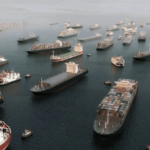
Analyses suggest that “Economic Anger” has indeed pushed Iran toward negotiating tracks to alleviate financial burdens, but the question remains: does this reflect a genuine response or merely a repositioning maneuver? Certainly, the repercussions of this strategy have transcended Iran’s borders, affecting global energy markets and insurance costs. Accordingly, the impact of sanctions on Iran’s economy appears more as a tool of continuous weakening and long-term attrition, having yet to succeed in breaking political will or effecting a radical change in Tehran’s regional role.