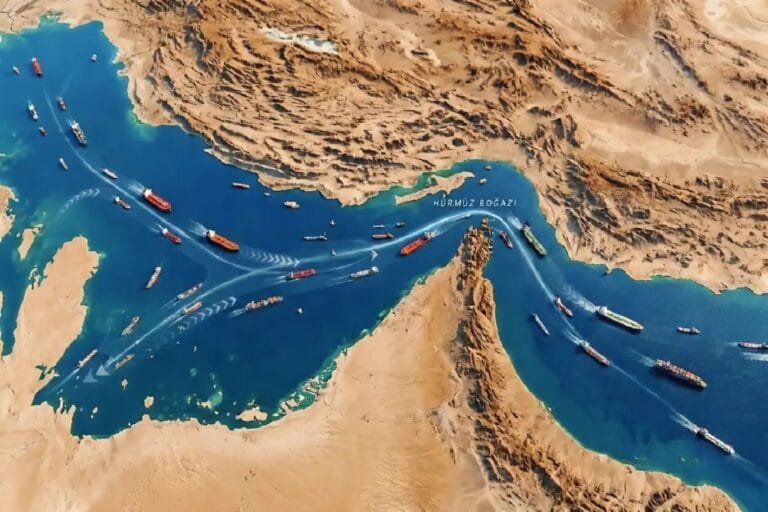
Muscat, Oman – The Sultanate of Oman reaffirmed on Wednesday its commitment to the legal and historical status of the Strait of Hormuz as an international waterway. It categorically denied any plans to impose fees on commercial vessels and oil tankers transiting the strait.
This official statement puts an end to reports circulating about proposals to impose transit fees during the two-week truce declared between Washington and Tehran.
Commitment to international treaties
In a decisive statement, the Omani Minister of Transport, Communications and Information Technology said that his country will not impose any fees on ships transiting the Strait of Hormuz. He emphasized that the Sultanate has signed international agreements prohibiting such fees and guaranteeing freedom of navigation in vital waterways.
The Minister explained that Omani policy is based on facilitating global trade and ensuring the smooth flow of supply chains. This is especially important given the delicate circumstances the region is currently experiencing.
Clarification regarding the “truce plan”
Regional reports had previously indicated a proposal within a two-week “ceasefire plan.” This proposal would allow both Iran and Oman to impose temporary fees on ships transiting the Strait of Hormuz.
According to these sources, Iran was expected to allocate these revenues to fund the reconstruction of infrastructure damaged during the war. However, Oman’s position reaffirmed that the Strait is historically and legally treated as an international waterway open to traffic without transit fees.
Stability of global navigation
Analysts believe Oman’s denial aims to reassure global shipping companies and energy markets, which are awaiting the outcome of the Islamabad negotiations scheduled for next Friday.
The Strait of Hormuz is the most important artery for transporting oil and gas from the Gulf to the world. Any change to the rules of passage through it could lead to widespread economic disruptions. This balanced Omani diplomatic stance reinforces Muscat’s role as a mediator seeking to de-escalate tensions and create a conducive environment for a successful truce. This is being done without taking any actions that could be interpreted as exploiting the current crisis or imposing additional burdens on international trade.