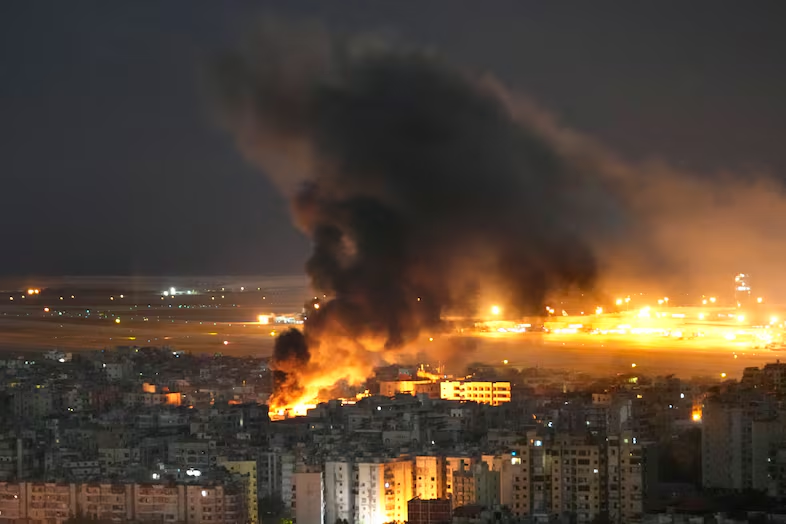
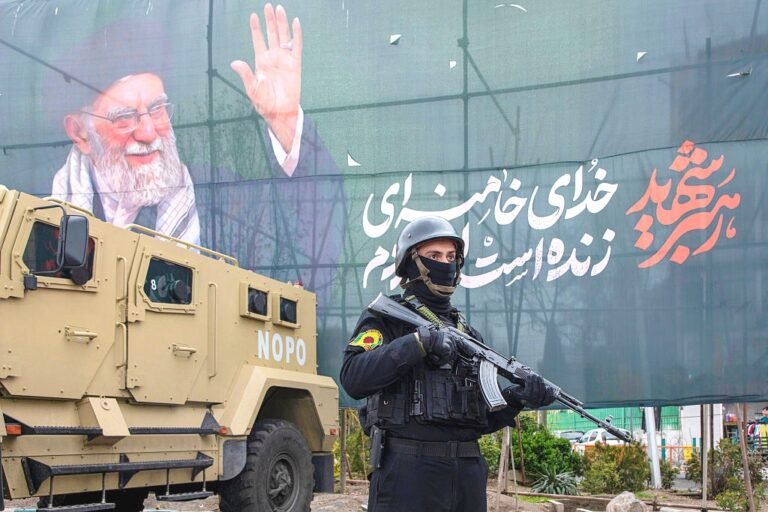
Washington, DC – The American magazine The Atlantic asserted that the ongoing confrontation with Iran reveals a new pattern of American intelligence failure. This failure differs in nature and context from what occurred before the 2003 invasion of Iraq. Nevertheless, there are similarities in the outcomes. Both involve miscalculation and repercussions.
Deliberate misinformation and false information
The Atlantic magazine explained that this failure was not due to deliberate deception or misinformation, as was the case with the “weapons of mass destruction” dossier in Iraq. Rather, it stemmed from a failure to understand Iran’s strategic behavior and an underestimation of its capacity to retaliate. It also involved an inability to adapt to military and political pressure.
An intelligence failure disrupts calculations
The Atlantic added that US assessments failed to adequately grasp the network of regional influence Tehran had built. Furthermore, they underestimated Iran’s willingness to employ unconventional tools, such as indirect attacks and drones. This miscalculation disrupted US strategies on multiple fronts. The Atlantic noted that this intelligence failure impacted political and military decisions. Washington took escalatory steps based on inaccurate assumptions about the speed with which the crisis could be contained. In addition, there were wrong assumptions about the limitations of the Iranian response.
Inability to analyze reality
The Atlantic pointed out that the fundamental difference between the two cases is that the Iraq crisis was based on intelligence that was later proven false, while the crisis with Iran reveals a failure to analyze a complex and evolving reality. This makes its long-term repercussions far more dangerous. The magazine concluded its analysis by emphasizing that any future escalation with Iran without a comprehensive review of intelligence performance could open the door to even greater strategic errors. This is happening in a highly sensitive and complex region.