Washington, DC – A new proposal in the United States has sparked controversy among archaeologists and heritage preservation organizations.
This follows warnings that the proposed changes to mechanisms for protecting historical sites could pave the way
for construction and industrial projects that threaten landmarks of significant historical and cultural value.
Experts believe the new plan could reduce the procedures required to review the impact of infrastructure
and energy projects on archaeological sites and historic buildings.
This could accelerate construction at the expense of preserving national heritage.
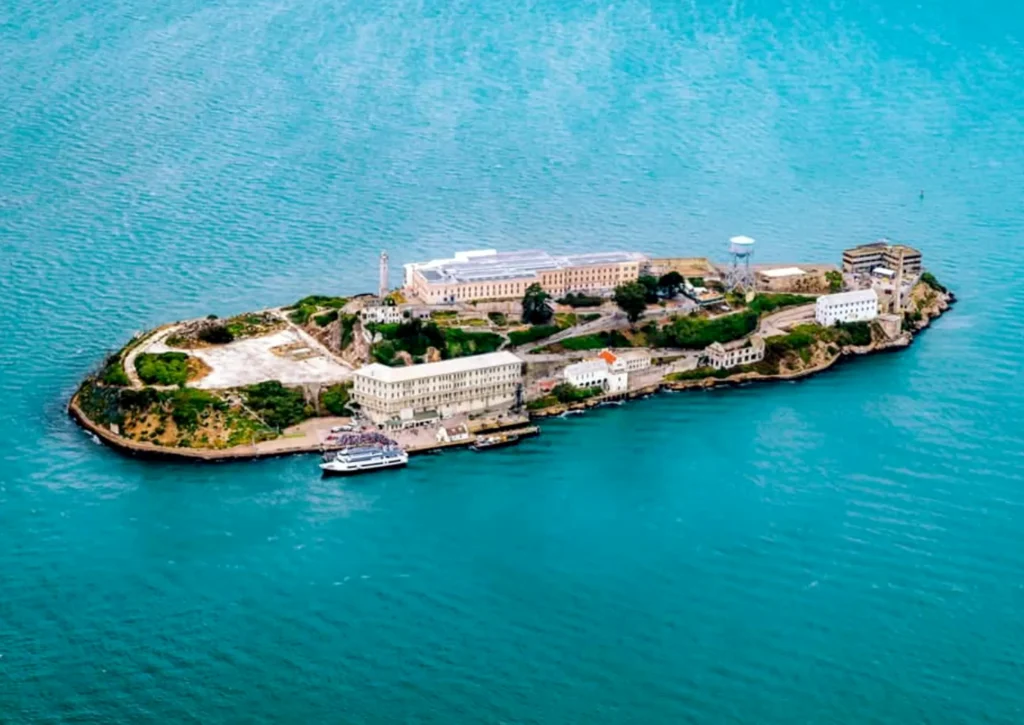
An important part of American identity
Heritage protection organizations have emphasized that current laws have,
for decades, saved thousands of historic sites from demolition or damage.
This has been achieved by requiring developers to conduct assessment studies
before undertaking any project that might affect these sites.
Opponents of the proposal fear that relaxing restrictions will lead to the loss of historic buildings
and areas that represent a significant part of American identity.
This risk is particularly acute in older cities and areas containing Native American or early US historical sites.
Conversely, supporters of the plan argue that current procedures are time-consuming
and disrupt major economic and investment projects.
They maintain that streamlining the process will expedite infrastructure projects
and create new jobs, all without compromising essential protection standards.
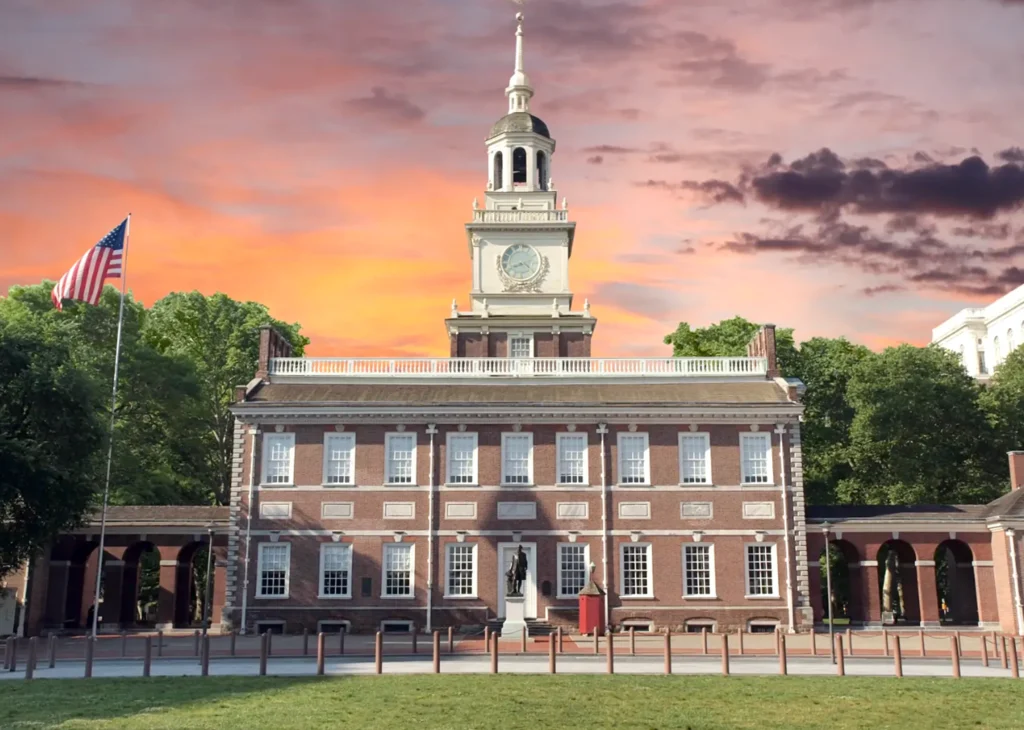
Protecting historical landmarks
Heritage preservation groups are calling for extensive dialogue before any amendments are implemented
to ensure a balance between economic development and the preservation of historical sites.
These groups consider these sites an irreplaceable cultural heritage that would be lost if demolished or neglected.
Those concerned with heritage in the United States are awaiting the outcome of the ongoing discussions,
amid fears that any sweeping changes could weaken the system for protecting historical landmarks.
This system has preserved thousands of sites for decades. These concerns are heightened
at a time when calls are growing to safeguard cultural identity for future generations.