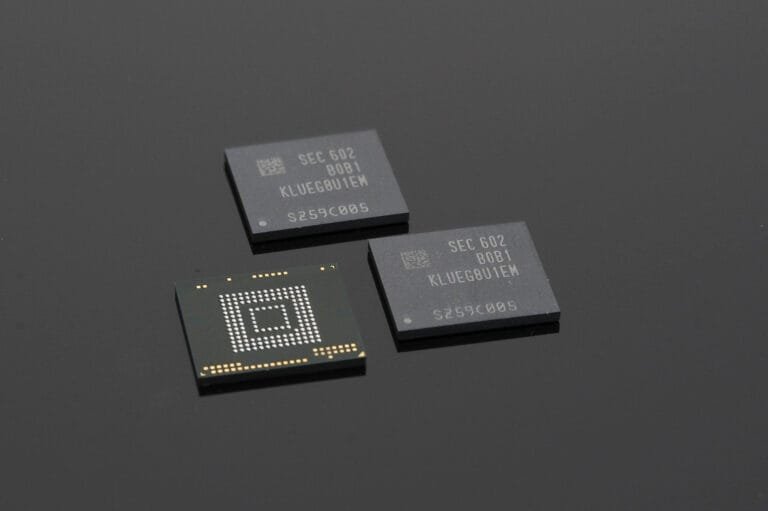
Apple is facing growing challenges in securing essential memory components for its devices, amid global supply chain disruptions and surging demand for electronic chips. The AI boom, in particular, has diverted significant global semiconductor production to data centers, creating a squeeze for manufacturers of laptops, smartphones, and tablets. This pressure has led to a sharp rise in memory chip prices (DRAM and NAND), prompting Apple to increase prices for products like MacBooks and iPads to mitigate cost burdens.
The Controversy Over Chinese Chips
In a strategic move to address supply shortages and seek price competitiveness, reports indicate that Apple has been lobbying the US administration for permission to purchase memory chips from Chinese manufacturers, notably ChangXin Memory Technologies (CXMT). This move has sparked widespread controversy in Washington, given that these Chinese firms appear on US watchlists (such as the Pentagon’s 1260H list) due to alleged ties to the Chinese military. While Apple is seeking reassurances to ensure its supply chain stability, security and technological concerns remain high amid ongoing trade tensions between Washington and Beijing.
Diversification as a Resilience Strategy
Apple is actively seeking to reduce its dependence on traditional sources, not only for price considerations but also to enhance supply chain flexibility. In this context, Apple is moving toward diversifying its manufacturing base. Reports point to exploratory discussions and preliminary agreements with companies like Intel and Samsung to manufacture some of Apple’s M-series processors, aiming to reduce risks associated with total reliance on the Taiwan Semiconductor Manufacturing Company (TSMC).
These developments reflect how global corporations and governments are redrawing the map of the semiconductor industry, which has become one of the most critical pillars of economic competition and national security in 2026.