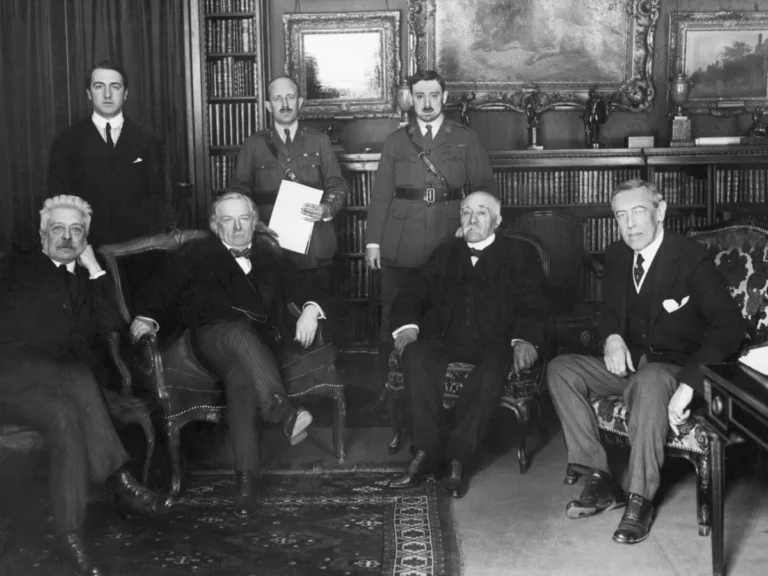
Paris, France – The anniversary of the signing of the Treaty of Versailles, concluded on June 28, 1919, after the end of World War I, renews the historical debate about its role in reshaping the map of Europe. Historians raise questions about whether this treaty laid the foundations that later led to the outbreak of World War II nearly two decades later, as a result of the provisions it carried that left profound impacts on the continent.
Harsh Conditions and Economic and Political Repercussions
The treaty imposed very harsh conditions on Germany, including holding it fully responsible for the war and obligating it to pay huge financial reparations. It also included significantly reducing the size of its armed forces and ceding large parts of its territories and colonies. These measures caused stifling economic and political crises within the country and sparked intense feelings of anger and a desire for revenge among large segments of the German people.
The Rise of Nationalist Currents Towards War
A large number of historians believe that these difficult circumstances contributed directly to the rise of extremist nationalist currents, led by the Nazi Party under Adolf Hitler. Hitler exploited the state of popular resentment and promised to abolish the Treaty of Versailles and restore Germany’s strength, which formed one of the main factors that led to the outbreak of World War II in 1939. While some researchers assert that the treaty was the primary driver, others point to its intersection with other political, economic, and international factors that contributed to that global tragedy.