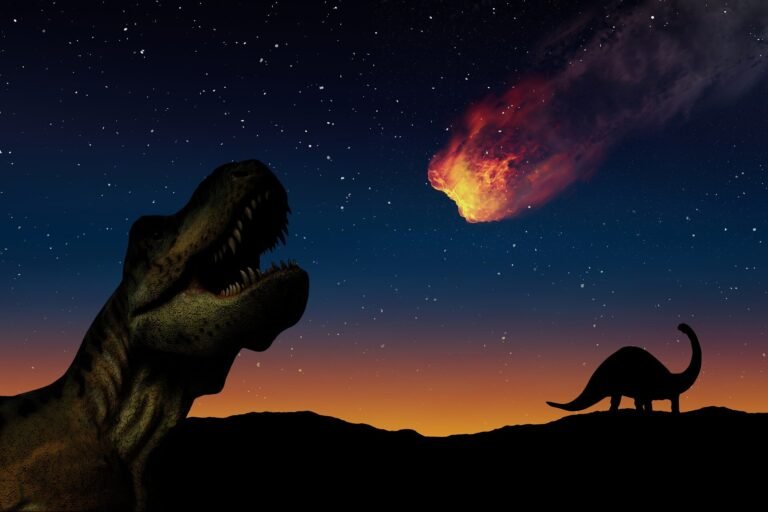
London, UK – A recent scientific study revealed a different vision of the ancient catastrophic event. Consequently, the cosmic collision did not just end the dinosaur extinction era. Moreover, this event contributed to creating vast deep habitats beneath the Earth’s surface. As a result, different forms of microscopic life found a safe haven to continue. Thus, it is clear that the surface catastrophe was the beginning of hidden environments underground.
Harsh Conditions and Microbial Adaptation in Ocean Floors
The asteroid impact led to massive fires and the emission of harmful gases. Accordingly, sunlight collapsed, and surface food chains failed. In addition, these conditions pushed microbes to adapt in deep environments. Conversely, rocks and groundwater provided stability far from the impact of the dinosaur extinction. Therefore, ecosystems evolved that rely on chemical energy instead of the sun.
New Concepts for the End of Life and Searching for Extraterrestrial Life
The results open a door to reconsider the concept of the “end of life” after disasters. On the other hand, the study clarifies that surface extinction redistributes organisms in unconventional environments. Consequently, understanding the post-dinosaur extinction era enhances our knowledge of life’s resilience. Ultimately, these clues may provide answers about potential life on other planets. Accordingly, science continues to uncover the secrets of hidden adaptation.