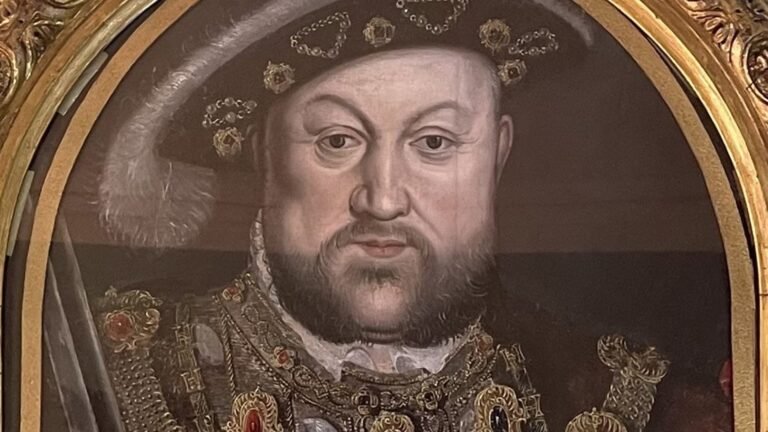
London, United Kingdom – On this day, history commemorates two major turning points shaped by profound political, legal, and geographic shifts that left a lasting impact on global relations: the historic annulment of King Henry VIII’s marriage to Catherine of Aragon, and Egypt’s closure of the Gulf of Aqaba to Israeli shipping, which fundamentally escalated Middle Eastern geopolitics.
In the British context, the annulment of the King’s marriage marked a radical breakdown in the United Kingdom’s history, prompting the English Church’s break from Rome and the rise of the Church of England. This calculated move shattered papal authority over British policy and transformed internal royal influence.
The Closure of the Gulf of Aqaba and Escalating Regional Strategic Tensions
In a separate historical context, the closure of the Gulf of Aqaba emerged as one of the most critical geopolitical developments in the Middle East, directly choking international maritime trade and navigating global diplomacy toward the brink of full-scale warfare.
The blockade of this vital waterway fueled immediate military and political friction in the region, turning the strategic gulf into a flashpoint that accelerated regional conflicts and fundamentally shifted territorial balance in the decades that followed.
Fateful Historic Moments with Enduring Modern Implications
Despite their distinct timelines and geographic settings, these events remain powerful examples of definitive political and diplomatic maneuvering that reordered global balances. Historians note that the echoes of these decisions resonated for generations, significantly crafting the landscape of modern international statecraft.