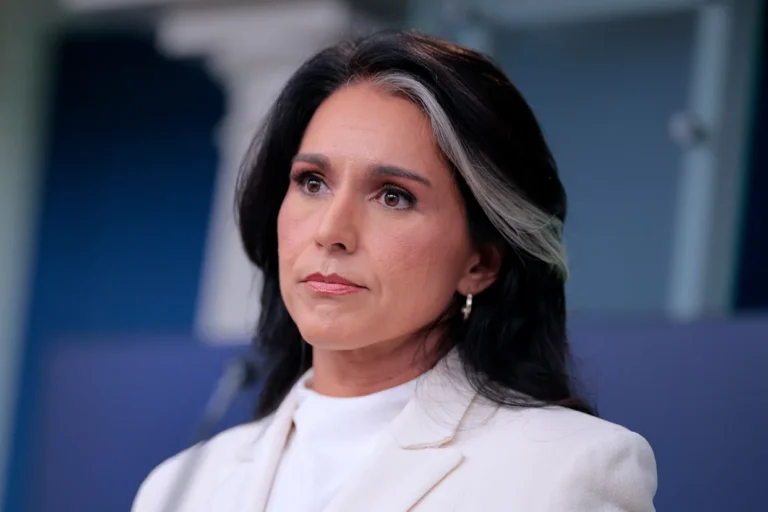
Washington, United States – US Director of National Intelligence (DNI) Tulsi Gabbard has officially announced her resignation from her high-profile post, stepping down from President Donald Trump’s administration effective June 30, a move that surprised political and security circles in Washington.
In an official resignation letter addressed to President Trump and posted on her “X” platform account, Gabbard attributed her departure to her desire to support her husband, cinematographer Abraham Williams, following his recent diagnosis with an extremely rare form of bone cancer. “At this time, I must step away from public service to be by his side and fully support him through this battle,” Gabbard wrote.
Presidential Praise from Trump and Aaron Lukas Named Acting DNI
In response, US President Donald Trump praised Gabbard’s performance during her 15-month tenure leading the intelligence community. Writing on Truth Social, Trump stated, “Tulsi has done an incredible job, and we will miss her,” while announcing that her principal deputy, Aaron Lukas, will assume the role of Acting Director of National Intelligence to ensure seamless continuity across vital portfolios.
The resignation arrives amid high-stakes momentum and fast-moving developments in national security and foreign policy, particularly concerning the ongoing conflict and complex negotiations over the Iranian nuclear file, paving the way for potential adjustments within the intelligence apparatus.
Behind-the-Scenes Context and Policy Divergences
While the official reason for the departure is deeply personal, source reports noted that Gabbard had faced mounting pressure from certain White House officials following recent policy friction. Observers point to her prior congressional testimony regarding the post-strike status of Iran’s uranium enrichment capabilities, which occasionally diverged from the broader public rhetoric maintained by key elements of the administration.
The position of Director of National Intelligence is one of the most critical security appointments in the United States, tasked with overseeing and coordinating the operations of 18 separate American intelligence agencies while delivering strategic assessments to decision-makers at the White House.