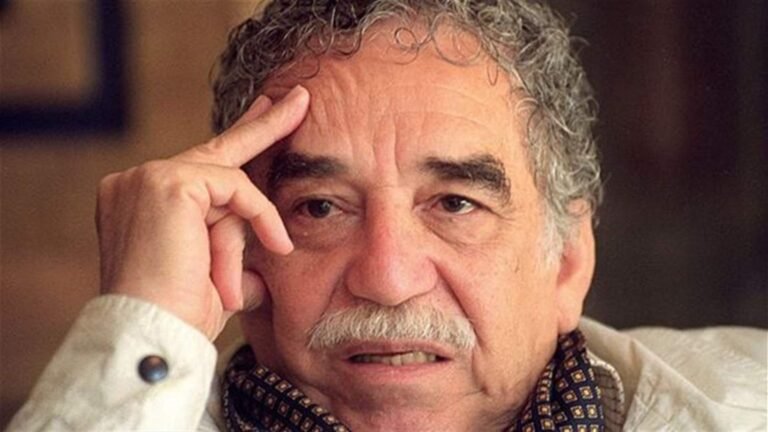
Bogota, Colombia – The annual anniversary of the passing of the world-renowned Colombian author Gabriel García Márquez is observed today, marking the loss of one of the most prominent pillars of modern literature. Lovers of “Gabo” and his friends reclaim his literary and human legacy, which has left an indelible mark on the hearts of readers across all continents. Accordingly, the Gabriel García Márquez legacy represents a cross-border cultural bridge, as his works continue to be ranked among the most influential texts in shaping generations’ understanding of magical realism.
The Worlds of “One Hundred Years of Solitude” and Redefining Magical Realism
Close associates of Marquez recalled personal memories, emphasizing that his presence was not limited to novel pages but extended to a unique personality that blended quiet irony with sharp insight. Obviously, his masterpiece, “One Hundred Years of Solitude,” was not merely a narrative but the creation of entire worlds from a fertile imagination that redefined world literature. As a result, Marquez succeeded in transforming the local language of Latin America into a universal human language understood by all, where everyone finds a piece of their own story.
A Witness to Latin American Identity Transformations and Human Memory
On this occasion, critics emphasized that Marquez was not just a storyteller but a true witness to the political and social transformations in Latin America. Certainly, issues of identity, memory, and justice were reflected in his texts, granting them a historical and strategic dimension that transcends literary entertainment. Accordingly, the Gabriel García Márquez legacy remains alive through cultural events and seminars currently held in several countries, celebrating an author who managed to transform complex reality into an eternal legend that lives in every line his pen wrote.