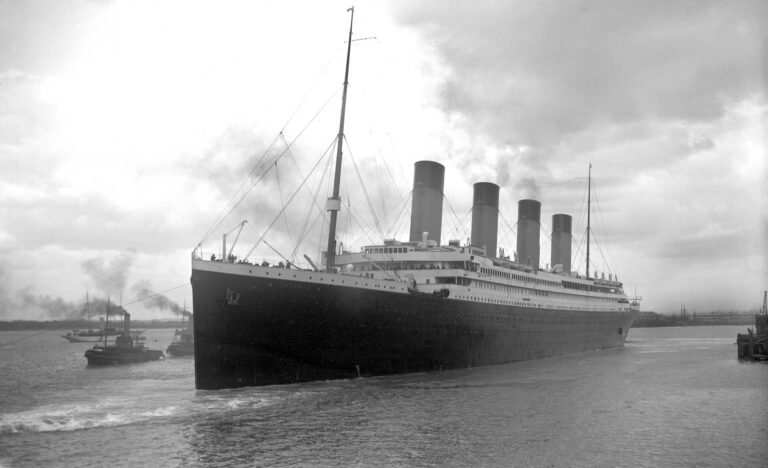
London – Agencies – The story of the RMS Titanic, which sank on its maiden voyage in 1912, remains one of the most poignant tragedies in human collective memory. Over time, this incident has transformed across decades into a global icon in popular culture that transcends the limits of a maritime disaster. Furthermore, the ship has become a broad symbol expressing human vanity and man’s eternal struggle against the merciless forces of nature. Accordingly, the history of the Titanic ship represents rich material for cultural studies and artistic productions that never stop growing. In this regard, we review how art reshaped this tragedy to become an immortal legend.
Shaping the Tragedy in Cinema, Literature, and Global Arts
Despite more than a century passing since the disaster that claimed more than 1,500 lives, the story of the Titanic did not stop at the dry pages of history. Obviously, cinema, literature, and fine arts have reshaped this tragedy repeatedly with contemporary visions. As a result, the ship has become a permanent cultural reference in dramatic works, documentaries, and massive artistic productions worldwide. In addition, the history of the Titanic ship contributes to providing moral lessons about classism, justice, and sacrifice during major crises. However, the human aspect remains the primary driver of this continuous global passion for searching through its wreckage.
The 1997 Film and the Turning Point in Solidifying the Story in Global Consciousness
The famous 1997 film directed by James Cameron is considered a major turning point in solidifying this story within contemporary global consciousness. Certainly, the work re-presented the tragedy in a romantic human framework that made it more relatable to individual feelings and young audiences. Accordingly, Titanic was no longer just a cold maritime historical incident, but a tragic love story passed down through generations. On the other hand, dazzling cinematic technology helped revive the history of the Titanic ship visually, making the viewer feel both the grandeur of the ship and the horror of the disaster simultaneously. In the same context, the film broke records, making the legend an integral part of modern culture.
Lessons Learned and Social Symbolism of the Limits of Trust in Technology
Pop culture researchers believe that the continued presence of “Titanic” is due to its superior ability to combine human tragedy with complex social symbolism. Obviously, the ship represents a permanent lesson regarding the limits of excessive trust in technology and human intelligence before the might of nature. As a result, the history of the Titanic ship reminds us that major disasters are not easily forgotten when they turn into a moving human narrative that touches hearts. In addition, the sunken ship remains a warning to humanity about the consequences of negligence and technical arrogance. Ultimately, Titanic will remain a living legend in the world’s conscience, telling the story of the dawn of the twentieth century that sank before it truly began.