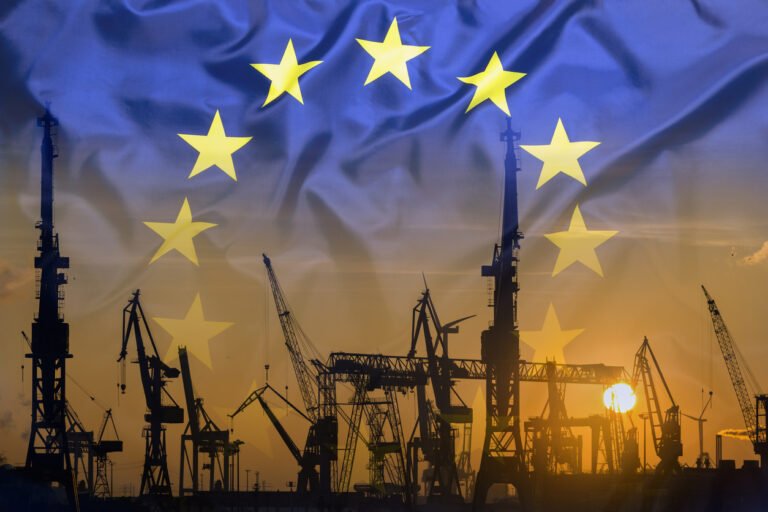
Brussels, Belgium – Official estimates released by regulatory bodies in the European Union suggest a worrying outlook for the continent’s energy markets. Consequently, projections indicate that oil and gas prices are expected to remain elevated until the end of 2027. Furthermore, these forecasts come amidst persistent geopolitical challenges. There have also been radical shifts in global supply routes witnessed over recent years. On the other hand, European markets continue to be affected by several intertwined factors. Therefore, a return to historical price levels is considered highly unlikely in the near term. This situation is placing governments before difficult structural economic challenges.
Pressure Factors: Why Prices Remain High
Technical reports indicate that the ongoing pressure is driven by several fundamental causes. First, sustained geopolitical tensions have disrupted the balance of supply and demand. Second, there is a steady increase in energy demand within major global markets. This trend intensifies competition for Liquefied Natural Gas (LNG) shipments. Consequently, the continent suffers from “persistent pressure” on prices. This makes long-term planning for industrial firms extremely complex. From this perspective, EU states are currently implementing strategic plans to diversify energy sources. They are doing so through an intensive expansion of renewable energy projects and the enhancement of LNG infrastructure.
Inflationary Fallout and the Burden of Production Costs
In the same context, economic observers warn that maintaining energy prices at high levels will lead to a slowdown in industrial growth. These costs will directly reflect on inflation rates, driving up prices for consumer goods and services for citizens. Based on this, European companies face additional pressures in production chains. This situation could weaken their global competitiveness. Furthermore, this reality places significant political pressure on governments to provide new support packages for consumers. Ultimately, the coming two years will represent a real test for the resilience of the European economy in dealing with these changes.
Europe’s Bet on Strategic Alternatives
Ultimately, global markets continue to monitor these developments closely, amidst fears of new disruptions that could exacerbate the crisis. Based on this, European efforts are now focused on seeking new energy alternatives to guarantee national security. Despite the challenging outlook, the continent is betting on a green transition to reduce dependence on volatile traditional energy sources. Consequently, the energy sector remains the most critical file on Brussels’ economic agenda. The city is striving to navigate through this exceptional period safely.