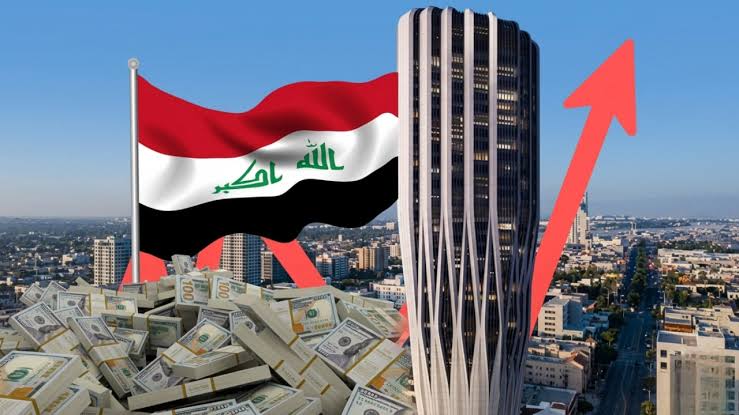
Baghdad, Iraq – The Economic Observatory “Eco Iraq” criticized on Saturday the proposed borrowing law that the Iraqi Parliament intends to legislate. The observatory warned of its negative repercussions on non-oil revenues, as well as opening the door wide to corruption and unfair competition. In a statement, the observatory explained that the proposal, prepared by the Parliamentary Finance Committee and consisting of nine articles, grants the Council of Ministers the authority to borrow externally up to a maximum of $5 billion per instance. It also grants the Minister of Finance the authority to borrow up to $2 billion, with any amount exceeding that requiring parliamentary approval.
The observatory noted that the law includes exemptions for lenders from taxes and customs duties on their projects. This could weaken the public treasury and allow the importation of materials outside the scope of the projects under the guise of these exemptions. It emphasized that these facilitations will create unfair competition with local companies and contractors who are committed to paying taxes and duties in full.
The 2026 “Borrowing, Grants, and Subsidies Law” permits external borrowing to finance strategic projects. It also authorizes the Minister of Finance to issue government debt guarantees of up to 5 trillion dinars annually, while prohibiting the “take-or-pay” arrangement except for solar power plants. In contrast, the parliamentary finance committee attributed the legislation to the need to address the budget deficit, difficulties in financing public spending, and ensure sustainability.