Washington, United States – Oil prices continued their strong gains for the fourth consecutive day during Asian trading, with global Brent crude approaching the $100-per-barrel mark. This sharp rise comes amidst mounting concerns over disruptions to global energy supplies and maritime shipping in the Arabian Gulf, following a new and violent round of direct military confrontations between the United States and Iran.
New jump in crude oil futures
Markets reacted immediately to developments on the ground; Brent crude futures rose 1.4% to reach $99.32 per barrel, while West Texas Intermediate (WTI) crude futures climbed 1.5% to settle at $94.44 per barrel. With this upward momentum, US crude contracts are on track to post gains for the seventh consecutive day, reaching their highest levels in weeks amidst a climate of intense investor anticipation and caution.
Details of the military escalation in the Gulf and Jordan
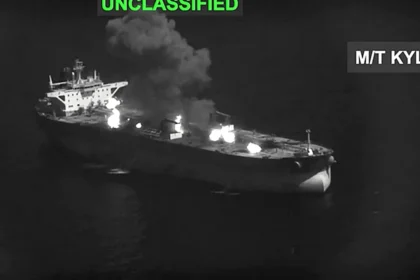
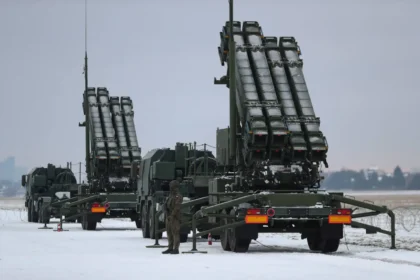
This escalating tension stems from dramatic developments that unfolded on Tuesday evening, when the U.S. Department of Defense announced the destruction of five oil tankers belonging to Iran’s Islamic Revolutionary Guard Corps (IRGC). This swift U.S. response followed failed missile attacks targeting two U.S. Navy warships in the waters of the Arabian Gulf. However, matters did not stop there; the IRGC subsequently announced that it had carried out missile attacks targeting a U.S. military base in Jordan. Consequently, this expanded the scope of the confrontation and heightened the intensity of regional and international security threats.
Far-reaching repercussions for the economy and energy
These developments have sparked deep concern within financial markets regarding the security of oil supplies from the Gulf region—a vital artery for the global economy. As fighting intensifies and hopes for a lasting diplomatic solution to the six-month-old conflict fade, Brent crude prices have surged by approximately 25% since early August. Analysts warn that the persistence of these tensions on the ground threatens to further complicate the global economic landscape and could push prices beyond the critical psychological threshold of $100 per barrel should military operations continue.